

Sipping whiskey neat offers a pure, unadulterated experience, but discovering a good chaser for whiskey can transform a great spirit into an extraordinary one. The right chaser doesn't just dilute the alcohol's burn; it complements, contrasts, or resets your palate, unlocking new layers of flavor in your favorite bourbon, rye, or single malt. Think of it as a strategic partner to your pour, a tool to enhance your tasting journey from the first sip to the last. This isn't about hiding the whiskey's character, it's about elevating it.
This guide moves beyond the standard cola or generic beer to provide a curated list of effective and sometimes surprising pairings. Whether you're exploring a robust, high-rye bourbon from an American craft distillery like Westward Whiskey or a smoother, wheated offering, the perfect chaser can manage the intensity for new drinkers and offer a novel experience for seasoned enthusiasts.
We will explore a range of options, from simple classics like water and club soda to more creative choices like pickle brine and honey water. You'll learn not just what to use, but why each one works, with specific pairing suggestions for different whiskey profiles. Get ready to find your ideal sip-and-chase combination, making every glass a more deliberate and enjoyable tasting session.
1. The Purist's Choice: Room Temperature Water
While it might seem overly simple, room temperature water is the quintessential choice for a good chaser for whiskey, revered by master distillers and professional tasters worldwide. Its primary function isn't to add flavor but to subtract interference. Water acts as a neutral palate cleanser, rinsing away residual tastes and resetting your taste buds between sips of different whiskeys.
This method allows the nuanced character of each spirit, from a spicy Stranahan's Blue Peak Single Malt to a mellow Wyoming Whiskey Outryder, to be appreciated without overlap. By gently lowering the alcohol's intensity, water also "opens up" the whiskey, unlocking subtle aromatic compounds and revealing a deeper complexity that the high proof might otherwise mask.
How to Use Water as a Chaser
For the best results, precision matters. The goal is palate neutrality, not temperature shock.
- Temperature is Key: Use water that is at room temperature. Cold water can numb the taste buds, dulling your ability to perceive the delicate notes in the whiskey.
- Purity Matters: Opt for filtered or spring water. Tap water often contains chlorine or minerals that can introduce unwanted flavors, competing with the spirit itself.
- Sip, Don't Gulp: Take a small sip of water after you've swallowed your whiskey and allowed the finish to linger for a moment. Swish it gently before swallowing to cleanse your entire palate.
New Drinker Tip: This is the best place to start. Before trying any other chaser, get comfortable with using water. It will train your palate to look past the initial alcohol burn and identify the real flavors of the whiskey—caramel, oak, fruit, and spice. This foundational skill will make all other pairings more meaningful.
This technique is especially valuable for new whiskey drinkers who are still training their palates. By providing a neutral reset, water makes the tasting experience more approachable and educational. To dive deeper into the science of how water interacts with different mash bills, you can learn more about adding water to bourbon and how it transforms the flavor profile.
2. Ginger Ale or Ginger Beer
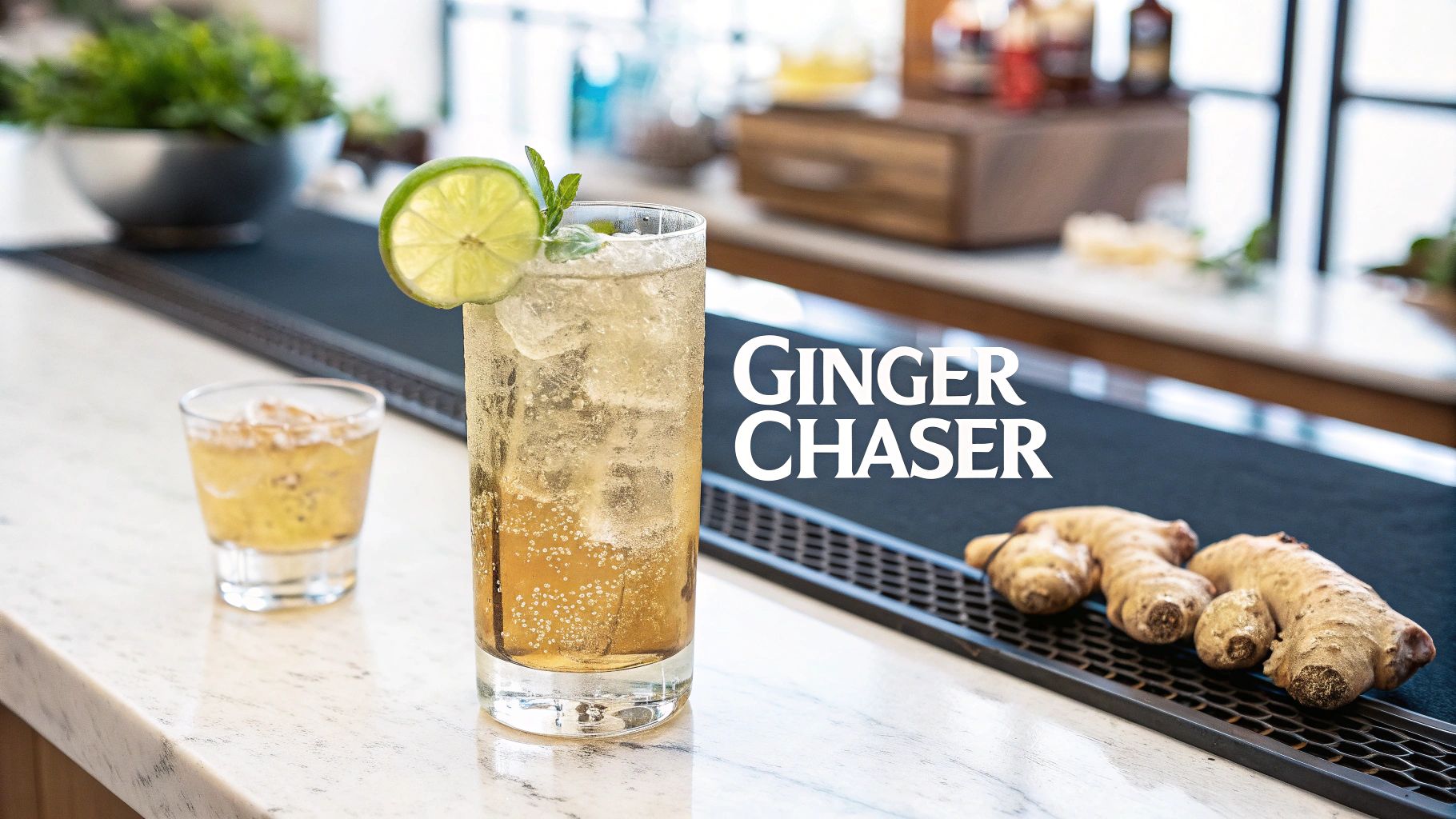
For those seeking a chaser that adds complementary flavor rather than just neutralizing the palate, ginger ale or ginger beer is an outstanding choice. This classic pairing is a fantastic good chaser for whiskey because the spicy, sweet notes of ginger beautifully enhance the inherent warmth and spice of many whiskeys, particularly rye and high-rye bourbons. Ginger ale offers a sweeter, milder experience, while ginger beer provides a more robust and spicy kick.
The carbonation in both options provides a pleasant effervescence that cleanses the palate while adding a refreshing textural contrast to the spirit's smoothness. This makes it a popular choice not just as a chaser but as a mixer in iconic cocktails like the whiskey-based Moscow Mule or a Whiskey Smash. It's an accessible option that can make higher-proof whiskeys, like a full-bodied High West Campfire Whiskey, more approachable for newcomers.
How to Use Ginger Ale or Ginger Beer as a Chaser
To get the most out of this pairing, a thoughtful approach is best. The goal is to complement the whiskey, not overpower it.
- Choose Your Spice Level: Offer both ginger ale (milder, sweeter) and ginger beer (spicier, bolder) to let drinkers match the intensity to their whiskey or personal preference.
- Quality Makes a Difference: Use premium craft options like Fever-Tree or Q Ginger Beer. These are made with real ginger and less sugar, ensuring they don't mask the whiskey's delicate notes with artificial sweetness.
- Serve it Chilled: Unlike water, ginger mixers are best served cold to enhance their refreshing quality. Pour a small amount into a separate glass to sip after your whiskey.
New Drinker Tip: If you find straight whiskey too intense, ginger ale is your best friend. Its familiar sweetness and gentle spice can tame the "burn," making each sip more enjoyable and helping you get accustomed to the spirit's strong character. Start with a 1:1 ratio of whiskey to chaser in a separate glass if needed.
This chaser is perfect for social gatherings or for those who find the finish of some whiskeys a bit too harsh. The ginger provides a soothing, flavorful follow-up that settles the stomach and prepares you for the next sip. For those wanting to perfect their tasting technique before introducing mixers, you can learn more about how to taste whiskey to better identify its core flavors.
3. Apple Juice (Unsweetened or Sparkling)
For those seeking a chaser that complements rather than just cleanses, unsweetened or sparkling apple juice is an outstanding good chaser for whiskey. Its gentle, natural sweetness and subtle tartness beautifully echo the fruity and spiced notes often found in American whiskeys, particularly those with a high corn or wheat content in their mash bill. This chaser works by highlighting these existing flavors, making them more pronounced and enjoyable.
This method is especially effective with craft distillery expressions that often feature bright, orchard fruit aromatics, such as Leopold Bros. Maryland-Style Rye. The crispness of the apple acts as a bridge, connecting the whiskey’s initial taste to its lingering finish. Sparkling varieties, like Martinelli's Sparkling Cider, add the benefit of effervescence, which helps to lift heavier notes from the palate and provide a refreshing reset between sips of robust spirits like a high-rye bourbon.
How to Use Apple Juice as a Chaser
The goal is to enhance the whiskey's profile, not mask it with sugar. Selecting the right type of juice is crucial for a successful pairing.
- Choose Unsweetened: Always opt for 100% unsweetened, pressed apple juice. Sweetened varieties can coat the palate with sugary residue, which dulls your perception of the whiskey's complexity.
- Chill, Don't Freeze: Serve the apple juice chilled, but not ice-cold. A slight chill provides a refreshing contrast to the warmth of the whiskey without numbing your taste buds.
- Time Your Sip: Take a small sip of apple juice after you've fully experienced the whiskey's finish. This allows the fruit notes to complement the fading oak and caramel, creating a harmonious and extended tasting experience.
New Drinker Tip: This is a fantastic "training wheels" chaser. The familiar, friendly flavor of apple juice makes complex whiskeys feel much more approachable. It helps your palate identify the desirable fruit and spice notes that define many popular American craft whiskeys, making the learning process delicious.
This approach is perfect for new whiskey drinkers who find the spirit's intensity challenging. The familiar, friendly flavor of apple juice makes complex whiskeys more approachable, helping to train the palate to identify the desirable fruit and spice notes that define many popular American craft whiskeys.
4. Club Soda or Sparkling Water with Citrus
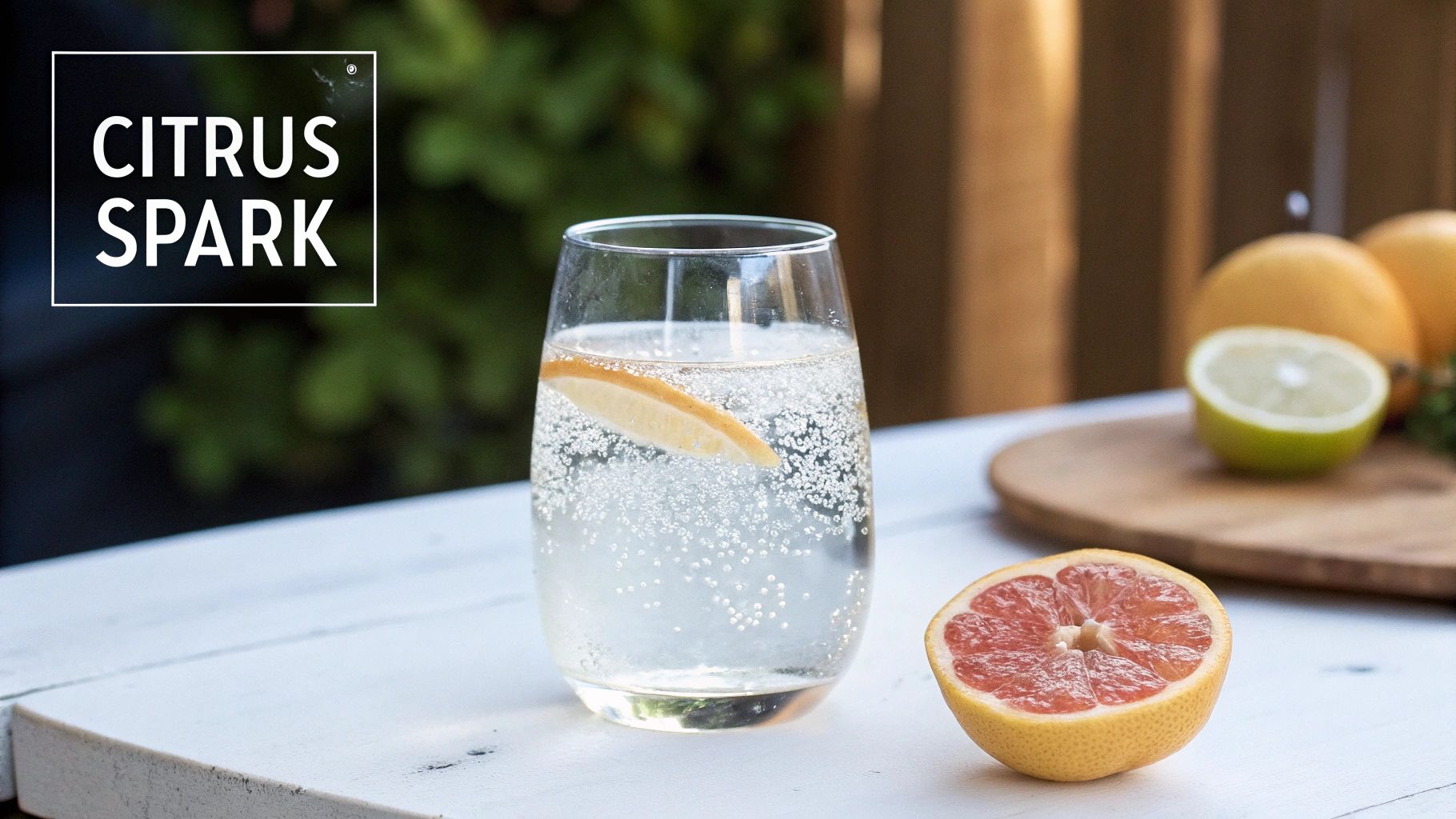
For those who find plain water too simple but a sweet soda too overpowering, club soda or sparkling water offers a sophisticated middle ground. This is a good chaser for whiskey because the crisp carbonation provides a lively, effervescent cleanse to the palate. It effectively scrubs away lingering flavors without introducing competing sugars or heavy tastes, preparing you for the next sip of whiskey.
The magic happens when you add a hint of fresh citrus. A squeeze of lemon, lime, or even grapefruit introduces bright, aromatic oils that complement, rather than mask, the whiskey's profile. This combination is particularly effective with complex spirits, like a bright, spicy rye from WhistlePig or a bourbon with citrusy undertones, as the citrus notes in the chaser can highlight and amplify similar notes in the spirit.
How to Use Sparkling Water and Citrus as a Chaser
Precision is key to ensuring the citrus enhances the tasting experience instead of dominating it. Think of it as an accent, not the main event.
- Freshness is Paramount: Always use fresh citrus. Squeeze a wedge just before serving to release the most vibrant aromatic oils. Pre-bottled juices often contain preservatives or a muted flavor profile.
- Control the Intensity: Start with a small squeeze or a thin slice of citrus in your club soda. You can always add more, but you can't take it away. The goal is a subtle hint of flavor.
- Keep it Simple: Opt for unflavored club soda or sparkling mineral water. Flavored seltzers can contain artificial sweeteners or essences that will clash with the whiskey.
New Drinker Tip: If you want to feel like a pro without using a sweet mixer, this is your move. The bubbles help cut the alcohol's heat, and a squeeze of lime can make a spicy rye whiskey suddenly taste brighter and more vibrant. It’s a simple way to elevate your drink and start noticing more subtle flavors.
This chaser is an excellent choice for experienced drinkers looking to dissect a whiskey's complexity, as well as for newcomers. By offering a clean, bright reset, sparkling water with citrus elevates the tasting from a simple drink to a more dynamic sensory exploration. This method is often seen in professional tasting rooms and can be a premium addition to any at-home tasting kit.
5. Beer (Light Lager or Pilsner)
The classic "boilermaker" pairing of a beer and a shot is more than just a barroom tradition; it's a dynamic duo that makes for a surprisingly good chaser for whiskey. A light, crisp beer like a pilsner or lager acts as a refreshing counterpoint to the warmth and sweetness of the whiskey. The carbonation scrubs the palate, while the subtle malt and hop notes provide a clean, bitter finish that resets your taste buds for the next sip.
This pairing works because the beer’s profile is complementary rather than overpowering. A light lager won’t mask the intricate flavors of a high-rye bourbon like a New Riff Single Barrel Bourbon or the spicy kick of a Texas rye. Instead, its effervescence and clean taste cut through the spirit’s richness, creating a balanced and enjoyable experience, especially in a social setting.
How to Use Beer as a Chaser
To get the most out of this pairing, think of it as a social ritual rather than a formal tasting method. The key is choosing the right beer and timing.
- Choose Wisely: Stick to light-bodied, clean beers. A craft pilsner or a simple American lager is ideal. Avoid intensely hoppy IPAs or heavy stouts, as their powerful flavors will compete with and overwhelm the whiskey.
- Keep it Cold: Unlike water, the refreshing quality of a cold beer is part of its appeal as a chaser. The crisp, cool temperature provides a pleasant contrast to the whiskey's warmth.
- Sip Sequentially: Take a sip of your whiskey, savor the finish, and then follow it with a sip of beer. The beer cleanses the palate and prepares you for the next taste.
New Drinker Tip: This is the most casual and social way to enjoy whiskey. Don’t overthink it. Sip your whiskey, then have a drink of beer. The cold, bubbly beer instantly washes away the intensity, making it easy to go back for another sip of whiskey. It’s a great way to enjoy spirits in a relaxed, low-pressure environment.
This method is perfect for casual whiskey drinkers and those who enjoy shared experiences. It transforms a solo tasting into a more communal event, making it an excellent choice for a laid-back evening with friends or a partner. The interplay between the malt of the beer and the grain of the whiskey can reveal new dimensions in both beverages.
6. Honey Water (1 teaspoon honey per 8 oz water)
For those who find plain water too austere but a sugary soda too distracting, honey water strikes a perfect balance, making it a surprisingly sophisticated and good chaser for whiskey. This simple infusion offers a gentle, natural sweetness that complements the spirit rather than competing with it. The honey's subtle warmth and floral notes beautifully echo the caramel, vanilla, and oak undertones found in many bourbons and aged whiskeys.
This chaser works by providing a soft landing for the palate after a sip of high-proof spirit. It cleanses without stripping and soothes the alcohol's heat, preparing you for the next taste. This makes it an excellent choice for extended tasting sessions or for newcomers who are still acclimating to the intensity of a cask-strength whiskey like a bold American single malt from Balcones.
How to Use Honey Water as a Chaser
Preparing this chaser is simple, but the quality of the ingredients and preparation method can elevate the experience significantly.
- Choose Your Honey Wisely: Opt for a high-quality, mild honey like clover or acacia. A strong, dark honey like buckwheat can introduce flavors that might overpower the whiskey.
- Prepare It Fresh: Mix approximately one teaspoon of honey into eight ounces of room temperature water. Stir until the honey is fully dissolved. Preparing it fresh ensures the best flavor.
- Adjust to Taste: The 1 tsp per 8 oz ratio is a starting point. Feel free to adjust the sweetness based on your personal preference and the specific whiskey you're drinking.
New Drinker Tip: Think of this as "whiskey with training wheels." The slight sweetness of the honey water acts like a cushion, softening the alcohol burn and making the finish smoother. It helps you appreciate the whiskey's deeper flavors, like vanilla and caramel, without the distracting harshness.
Honey water is more than just a sweet drink; it’s a strategic tool for managing palate intensity. By providing just enough sweetness to cushion the alcohol's bite, it allows the drinker to focus more deeply on the complex flavor profile of the whiskey, making it an ideal companion for a deliberate and thoughtful tasting journey.
7. Dark Chocolate or Chocolate Milk
While less of a traditional chaser and more of a sensory pairing, dark chocolate or chocolate milk serves as an exceptional good chaser for whiskey, transforming a simple tasting into a decadent experience. The bitterness of high-cacao chocolate cuts through the whiskey's heat, while its fatty texture coats the palate, soothing the alcoholic burn. This interaction highlights the sweeter, often overlooked notes in the spirit.
This method works especially well with robust American craft whiskeys, as the cocoa complements the vanilla, caramel, and cherry notes common in bourbons and wheated whiskeys like Maker's Mark Cask Strength. The chocolate’s complexity draws out the subtle oak and spice from the barrel, creating a rich, layered finish that is both sophisticated and satisfying. For a decadent pairing that beautifully complements whiskey, consider options like dark and milk chocolate.

How to Use Chocolate as a Chaser
To elevate your whiskey tasting, think of this as a deliberate pairing rather than a quick palate cleanse. The goal is to create a harmonious flavor profile.
- Choose High-Quality Chocolate: Opt for dark chocolate with at least 70% cacao. Its lower sugar content and intense flavor won't overpower the whiskey but will complement its inherent sweetness.
- The Sip-and-Bite Method: Take a sip of your whiskey, letting it coat your tongue. As the finish begins to fade, take a small bite of the chocolate and let it slowly melt, allowing the flavors to mingle.
- Try Chocolate Milk: For a smoother, creamier experience, a small glass of unsweetened chocolate milk can be used. Its richness beautifully tames the spice of a high-rye bourbon or a peppery rye whiskey.
New Drinker Tip: This is the most fun way to get into whiskey. The pleasant, familiar taste of chocolate makes the whole experience less intimidating. After a sip of whiskey, a small piece of dark chocolate can feel like a reward, transforming the "burn" into a warm, dessert-like sensation.
This approach is perfect for new whiskey drinkers who find the spirit's intensity challenging. To explore more sophisticated combinations, you can discover the principles of whiskey and food pairing and find your next favorite match.
8. Pickle Juice or Brine-Based Chasers
What started as a bartender's handshake has become a popular and surprisingly effective good chaser for whiskey, especially in craft whiskey circles. Pickle juice, or a "pickleback," uses a savory, acidic brine to completely reset the palate. The sharp vinegar cuts through the lingering heat of the alcohol, while the saltiness highlights the sweeter, more complex notes in the whiskey, making it an unexpectedly sophisticated pairing.
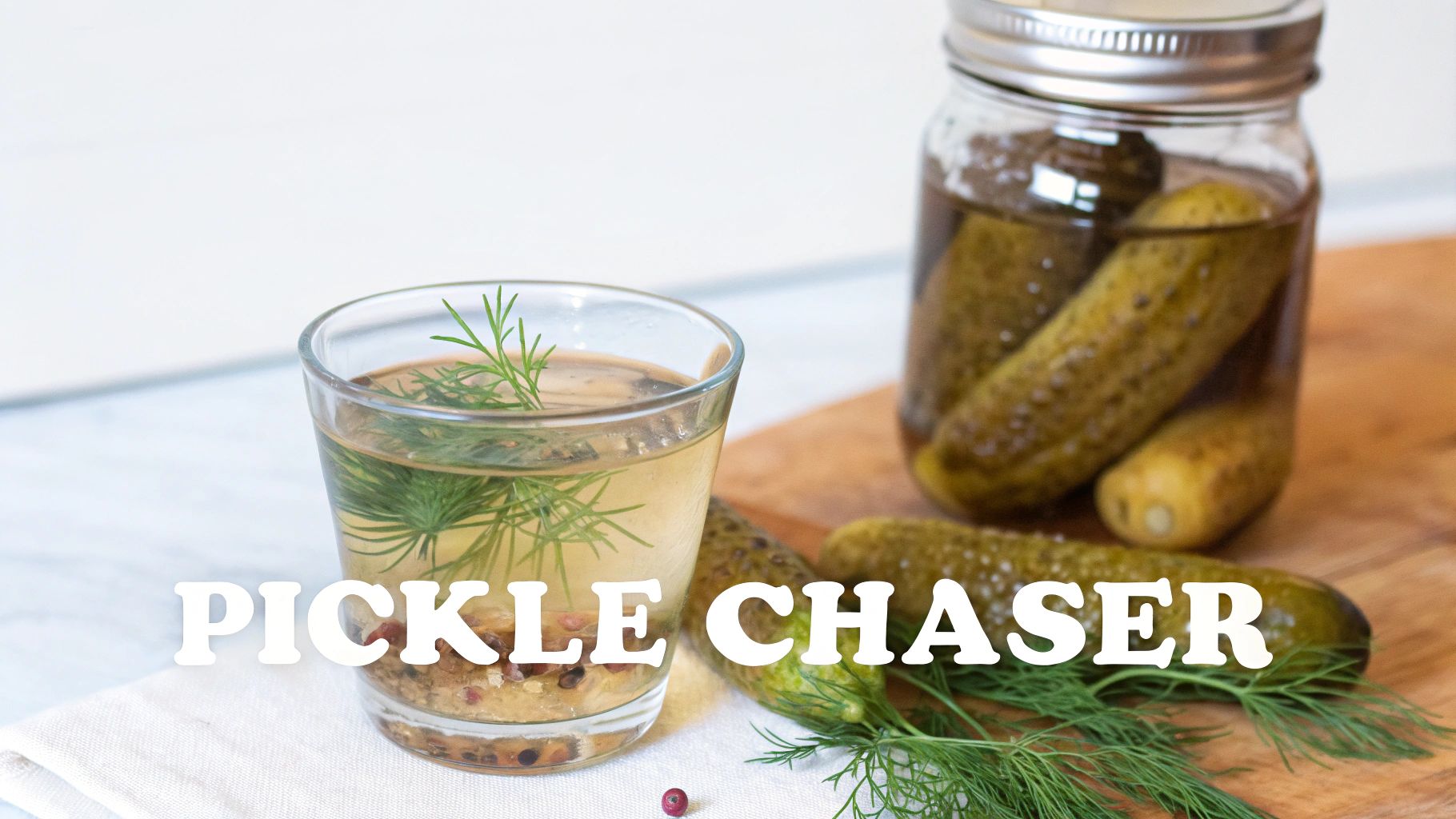
This chaser works exceptionally well with bolder spirits, like a high-rye bourbon or a peppery American single malt from a distillery like Westland. Its powerful flavor profile creates a clean break between sips, allowing each whiskey to be experienced with fresh taste buds. For adventurous drinkers, it provides a memorable twist that sparks conversation.
How to Use Pickle Juice as a Chaser
Success with this unconventional chaser lies in the quality of the brine and the method of delivery.
- Quality Over Quantity: Use the brine from high-quality, minimally processed pickles. Avoid overly sweet or artificially flavored options, as their sugars can clash with the whiskey. A classic dill pickle brine is the standard.
- Keep It Chilled: Unlike water, pickle juice is best served cold. The chill provides a refreshing contrast to the warmth of the whiskey, enhancing its palate-cleansing effect.
- The One-Two Sip: The traditional method is to take your shot or sip of whiskey first. After swallowing, immediately follow it with an equal-sized sip of the chilled pickle brine.
New Drinker Tip: Don't be scared of this one! It sounds strange, but it works. The intense salty and sour flavor of the pickle juice completely erases the alcohol burn. If you’re struggling with the harsh finish of a whiskey, a pickleback can be a surprisingly effective (and fun) way to neutralize it instantly.
This method is perfect for cutting the intensity of high-proof or young craft whiskeys that might have a more aggressive finish. For new whiskey drinkers, it can be a surprisingly approachable way to neutralize the "burn" and focus more on the spirit's underlying flavors, making the experience less intimidating and more enjoyable.
8 Whiskey Chasers Compared
| Chaser | Implementation complexity | Resource requirements | Expected outcomes | Ideal use cases | Key advantages |
|---|---|---|---|---|---|
| Water (Room Temperature) | Very low — serve filtered, room-temp water | Minimal — water stations, cups | Clean palate, accurate flavor perception, hydration | Blind tastings, professional evaluations, new drinkers | Neutral, no calories, the professional standard |
| Ginger Ale / Ginger Beer | Low — provide chilled mixers; offer options | Low–moderate — premium mixers, ice, glassware | Spicy, effervescent contrast; may mask subtle notes if overused | Social tastings, making whiskey more approachable, bold spirits | Enhances social experience; complements vanilla/oak; digestive benefits |
| Apple Juice (Unsweetened or Sparkling) | Low — serve chilled unsweetened or sparkling varieties | Low — bottled juice or cider, glassware | Gentle sweetness highlights fruit notes; can leave light residue | Wheated bourbons, fruit-forward craft expressions | Accentuates orchard aromatics; very approachable for beginners |
| Club Soda / Sparkling Water with Citrus | Low–moderate — prepare fresh citrus additions | Moderate — sparkling water, fresh citrus, utensils | Pure carbonation palate reset with subtle citrus aroma | Serious blind tasters, tasting rooms, precision evaluations | Maintains clarity, customizable, minimal sugar, professional feel |
| Beer (Light Lager or Pilsner) | Low — serve chilled light beers | Moderate — beer supply, glassware, storage | Refreshing carbonation, slight bitterness; may affect tasting precision | Casual social settings, post-tasting conviviality | Familiar, social, effective palate reset via carbonation |
| Honey Water (1 tsp per 8 oz) | Moderate — mix honey into warm water before service | Low — honey, water, stirring vessels | Subtle warmth and sweetness, supports palate endurance | Extended sessions, high‑proof or oaky samples | Gently cushions alcohol burn; sustains tasting stamina |
| Dark Chocolate or Chocolate Milk | Low — provide small chocolate pieces or milk servings | Low — quality dark chocolate or unsweetened milk | Enhances dessert-like notes; can coat palate and affect subsequent samples | Post-tasting pairings, food-forward events, fun introductions | Memorable sensory pairing; highlights sweet/spice characteristics |
| Pickle Juice / Brine-Based Chasers | Low — offer small optional servings | Low — pickle juice or brine, shot cups | Strong salty-sour cleanse, very effective palate reset; polarizing | Adventurous tasters, novelty experiences, taming harsh whiskeys | Extremely effective cleanser, memorable and attention-grabbing |
Crafting Your Perfect Tasting Experience
The journey through the world of whiskey is deeply personal, and the chaser you choose is a powerful tool in shaping that experience. As we've explored, a good chaser for whiskey isn't just about masking a harsh finish; it's about amplifying, complementing, or resetting your palate to appreciate the next sip even more. From the purifying simplicity of room-temperature water to the briny punch of pickle juice, each pairing unlocks a different dimension of your favorite spirit.
You've learned that a sweet, bubbly ginger ale can highlight the warm spice notes in a high-rye bourbon from a craft distiller like Laws Whiskey House, while the crisp effervescence of club soda with a lemon twist can cut through the richness of a peated American single malt. The key takeaway is that there is no single "best" chaser, only the one that best suits your whiskey, your palate, and the moment. The true mastery lies in understanding the interaction between flavors and textures.
Your Path Forward: Experiment and Discover
The most valuable lesson from this guide is the importance of experimentation. Your palate is unique, and the only way to find your perfect pairing is to actively explore the possibilities. Don't be afraid to try something unexpected. The next time you pour a dram of a complex American single malt, set up a small flight of chasers to see how each one changes the whiskey's character.
Here are some actionable next steps to continue your exploration:
- Host a Guided Tasting: Invite friends over and set up stations with different whiskeys and a curated selection of the chasers we've discussed. Encourage everyone to take notes on their favorite combinations. This is a fantastic way to learn from others' palates and discover pairings you might not have considered.
- Focus on a Single Whiskey: Pick a bottle you know well, perhaps a go-to like a Breckenridge Bourbon, and try it with three different chasers. Notice how one might bring out its vanilla notes while another emphasizes its subtle smokiness.
- Create Your Own Chaser: Use the principles we've covered to craft a unique blend. Try infusing honey water with a sprig of rosemary, or mix a custom blend of apple juice and sparkling water. The possibilities are limitless.
Ultimately, understanding how to use a good chaser for whiskey elevates you from a passive drinker to an active participant in your tasting experience. It empowers you to tailor each pour to your exact preference, turning a simple drink into a thoughtful ritual of discovery. By embracing curiosity and being willing to experiment, you will not only find your favorite pairings but also deepen your appreciation for the incredible complexity and artistry behind every bottle of whiskey.
Ready to put your new pairing skills to the test with exceptional and hard-to-find American craft whiskeys? Blind Barrels delivers a curated blind tasting experience to your door, complete with four unique samples, allowing you to discover your next favorite spirit without bias. Explore their tasting kits and subscriptions to elevate your whiskey journey at Blind Barrels.