

If you're planning a trip to bourbon country, your Kentucky Bourbon Trail map is going to be your new best friend. Seriously, it's more than just a piece of paper; it’s the strategic playbook for navigating the state's legendary distilleries. Think of it as your guide for visualizing routes, minimizing drive times, and getting the most out of every single stop.
Let's break down how to use it.
Your Guide To The Kentucky Bourbon Trail Map
A journey through Kentucky’s bourbon heartland isn't just a road trip—it's a full-blown pilgrimage for anyone who loves whiskey. The whole experience is built around the official map, which cleverly organizes the adventure into two distinct paths. Figuring out which path suits you is the first real decision you'll make.
And what an adventure it's become. Since the Kentucky Distillers’ Association (KDA) launched the trail back in 1999, it has absolutely exploded. We're talking a staggering 2.7 million visitors in a single year recently, which marks a 370% jump in attendance over the last decade. It’s a global phenomenon now.
The Two Trails Explained
So, your first choice is which trail—or maybe a combination of both—you want to tackle. Each one offers a totally different vibe and a unique look into the world of bourbon.
-
Kentucky Bourbon Trail (KBT): This is the big leagues. It’s the classic route that takes you to the iconic, world-famous heritage distilleries. You know the names: Woodford Reserve, Maker's Mark, Jim Beam. These are massive operations with slick, well-oiled tours that dive deep into bourbon's rich history. A trip on the KBT is all about experiencing the giants of the industry.
-
Kentucky Bourbon Trail Craft Tour (KBTCT): If you're more about discovery and the thrill of the hunt, the Craft Tour is your jam. This is an adventure through the creative, scrappy world of smaller, independent producers, many of whom are becoming the most exciting American craft whiskey brands. The tours are often way more intimate and hands-on—you might even get to chat with the master distiller. This is where you'll find the heart of modern bourbon creativity, with distillers pushing the envelope on everything from mash bills to aging techniques.
A lot of people find the sweet spot is a mix of both. Hit a couple of the legendary distilleries to get your historical bearings, then pepper in a few craft stops to see where the future of American whiskey is headed. It's a great way to get the full picture.
To help you decide where to focus your journey, here's a quick overview of what to expect from each trail.
Kentucky Bourbon Trail At a Glance
| Feature | Kentucky Bourbon Trail (KBT) | Kentucky Bourbon Trail Craft Tour (KBTCT) |
|---|---|---|
| Distillery Type | Large-scale, iconic heritage brands | Small, independent, and innovative producers |
| Experience | Polished, historical tours, large grounds | Intimate, hands-on, often meet the distillers |
| Vibe | Established, traditional, grand scale | Experimental, creative, personal touch |
| Best For | First-timers, history buffs, brand fans | Whiskey geeks, explorers, local flavor seekers |
Ultimately, there's no wrong answer. It just depends on the kind of bourbon adventure you're looking for.
Navigating The Primary Bourbon Regions
The map is also broken down into four main geographic hubs, and each one has its own distinct personality and cluster of distilleries.
- Louisville: A buzzing urban center with its own "Whiskey Row." Here, you can find incredible distillery experiences just a short walk from some of the best restaurants and bars in the state.
- Bardstown: This place isn't called the "Bourbon Capital of the World" for nothing. It’s a charming, historic town literally surrounded by some of the most famous names in the business.
- Lexington: Set right in the middle of stunning horse country, this region perfectly blends breathtaking scenery with legendary bourbon.
- Northern Kentucky: This area offers a more condensed trail experience, making it a great option for shorter trips or a super easy-to-navigate starting point.
Many of the smaller producers tucked away in these regions are making some truly phenomenal American craft whiskeys that redefine bourbon, making them must-visit spots for any serious enthusiast. Once you get a feel for these regions and the two main trails, that map transforms from a simple graphic into an indispensable tool for crafting your perfect bourbon adventure.
How To Build Your Perfect Bourbon Itinerary
Alright, this is where the fun really begins. The Kentucky Bourbon Trail map is more than just a pretty piece of paper—it’s your playbook for crafting an unforgettable adventure. The secret to a killer trip isn't just hitting the big-name distilleries; it's about building a smart itinerary that fits your style, keeps driving to a minimum, and leaves plenty of time for tasting.
First things first, and I can't stress this enough: book your distillery tours and tastings well in advance. Seriously. Popular spots like Woodford Reserve or Maker's Mark can get booked solid weeks, sometimes even months, out. This is especially true during the peak seasons in spring and fall. While spontaneity has its place, the Bourbon Trail isn't the trip for it. A little planning goes a long way here.
This is the basic flow: start with the big picture, use the map to get specific, and then lock in your plans.
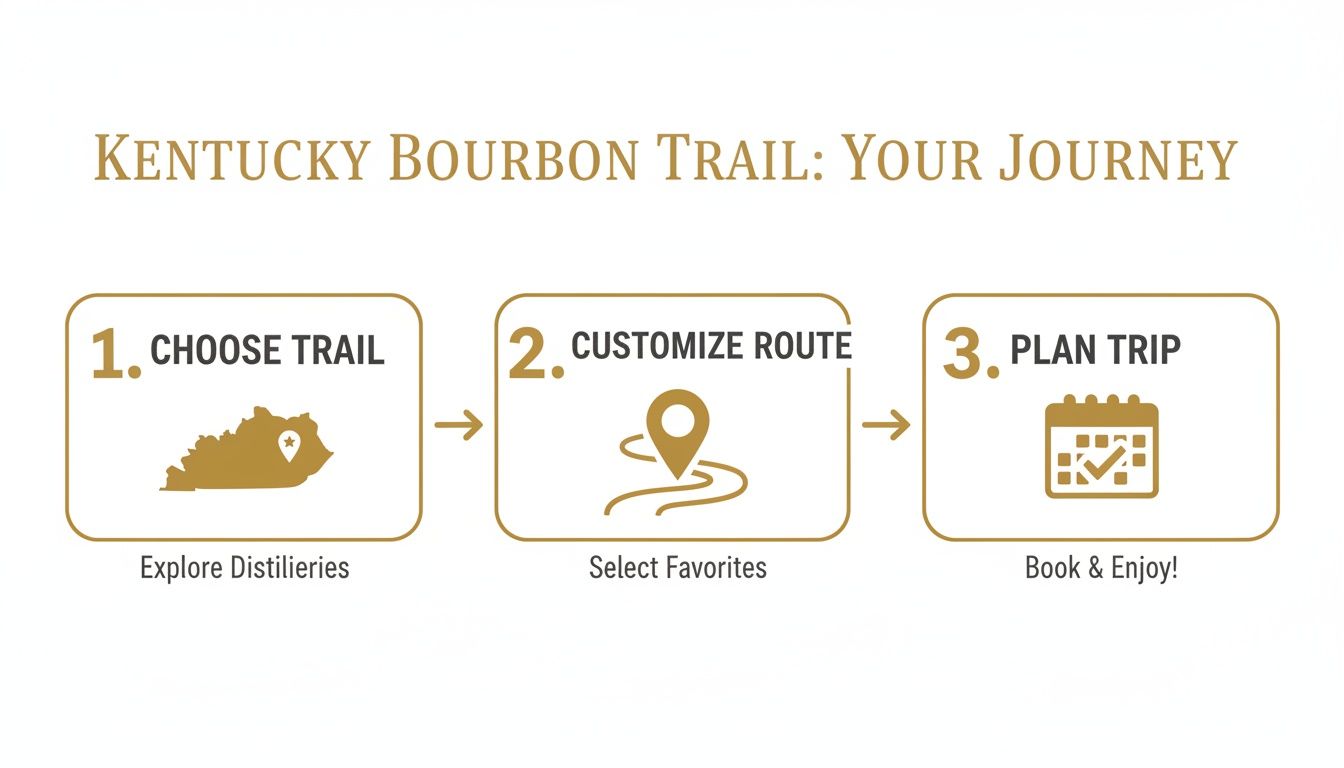
The idea is to choose your focus first, then use the map to create a logical route before you start making any reservations.
Structuring Your Trip Geographically
The biggest rookie mistake? Underestimating the drive times. Those scenic country roads are beautiful, but they aren't highways. To avoid spending your whole trip behind the wheel, you have to group your distillery visits by region. The map makes this incredibly simple.
Thinking geographically is a strategy that works for any tasting trail, from bourbon to wine. Many of the same planning principles for Loire Valley wine tours, like clustering stops and booking ahead, apply perfectly here.
To get your gears turning, here are a few sample itineraries you could build:
- The Louisville Urban Bourbon Sprint (1 Day): Go all-in on downtown Louisville's famous "Whiskey Row." You can easily walk between spots like Angel's Envy, Old Forester, and the Evan Williams Bourbon Experience. To round out the day, pop into Michter's Fort Nelson Distillery. It's a fantastic urban tasting experience with zero time spent in the car.
- The Bardstown Heritage Deep Dive (2 Days): Set up shop in the "Bourbon Capital of the World." For day one, hit Heaven Hill and Lux Row. The next day, take the beautiful 30-minute drive out to Maker's Mark and finish back in town at the iconic Willett Distillery. This route is absolutely packed with bourbon history.
- The Lexington Horse Country Experience (3 Days): This is where you mix legendary bourbon with those classic, rolling bluegrass landscapes. Kick things off with Woodford Reserve and Four Roses on day one. On day two, head into Lexington's Distillery District to check out craft producers like RD1 Spirits. Use your third day for a pilgrimage to the grand Wild Turkey or the stunningly rebuilt Castle & Key Distillery.
Pro Tip: I always tell people to schedule their first tour for around 10:00 AM and their last for no later than 3:00 PM. This builds in a natural cushion for travel, lets you have a relaxed lunch, and keeps you from feeling rushed.
Booking And Scheduling Tips
Once you’ve got your geographic clusters figured out, it’s time to pull the trigger on booking. Be realistic. Trying to cram more than three distillery tours into one day is a surefire way to burn out.
A comfortable, enjoyable pace is two to three distilleries per day.
Most tours last anywhere from 60 to 90 minutes. When you add at least an hour for driving between each stop plus time for lunch, you can see how quickly the day fills up. Over-scheduling is the fastest way to turn a fantastic trip into a stressful race. Use your map, be honest about timing, and you'll build an itinerary that's memorable for all the right reasons.
Navigating The Trail Like A Pro
Once you've got a solid itinerary sketched out on your Kentucky Bourbon Trail map, it's time to dig into the on-the-ground details that can make or break a trip. Your journey through bourbon country is about more than just what's in the glass; it’s about smart transportation, staying safe, and knowing how to get the most out of every single pour.
The first big decision is figuring out how you'll get from one historic distillery to the next. Self-driving definitely offers the most freedom, but it comes with the huge responsibility of having a dedicated, sober driver. Kentucky has strict DUI laws, and your safety should always be the top priority—no exceptions.
For groups, hiring a private driver or booking a spot on an established tour bus is a fantastic, stress-free way to go. These services handle all the driving and logistics, letting everyone in your crew fully relax and enjoy the tastings without a worry about who's getting behind the wheel.
Tips For The New Whiskey Drinker
Feeling a little overwhelmed by your first formal tasting? Don't be. This is supposed to be fun and educational, not some kind of high-stakes exam. Here are a few simple tips to help you taste like a seasoned regular, even if you’re just starting your whiskey journey.
- Pace Yourself and Hydrate: This is a marathon, not a sprint. Make sure to drink plenty of water between distilleries and even between samples. Every tasting room has water available, so use it.
- Use Your Nose First: Before you even take a sip, give the whiskey a good nosing. A gentle swirl of the glass releases the aromas, giving you a preview of the flavors to come.
- Take a Small First Sip: That initial taste, what some call the "Kentucky Chew," can be a bit of a shock to the palate. Swish it around your mouth for a few seconds to let your taste buds acclimate to the proof before swallowing.
- Don't Be Afraid to Add Water: A few drops of water can completely open up a whiskey, lowering the alcohol burn and revealing more subtle flavors and aromas. Your tour guide will likely even encourage it!
Remember, it's perfectly fine to use the dump buckets. You don't have to finish every single sample, especially if you have a full day of distilleries planned.
Getting The Most Out Of Your Visit
Beyond the tasting, make a point to engage with your tour guides. These folks are fountains of knowledge and genuinely love answering questions. Ask about the mash bill, the type of barrels they use for aging, or what makes their particular yeast strain unique. These details are what enrich the entire experience.
You're joining a passionate community out on the trail. In fact, research shows that 74% of visitors are deeply interested in bourbon's heritage and drink it regularly. These enthusiasts come from all over the world and tend to spend $600-$1,400 per trip exploring everything the region has to offer, from unique lodging to farm-to-table dining. You can find more details about who is visiting the trail in this Kentucky Bourbon Trail visitor profile.
This shared passion creates a fantastic, social atmosphere at every single stop. Don't be shy—strike up a conversation and share the experience.
Discovering The Best Craft Distilleries
Sure, the big heritage brands are the heavy hitters on any Kentucky Bourbon Trail map, but the real soul of modern American whiskey? That's found along the Craft Tour.
When you venture off the main path to these smaller, independent producers, you get a completely different, and often much more personal, experience. This is where you'll find the passion and experimentation from top-tier American craft whiskey brands that are truly shaping the future of bourbon.
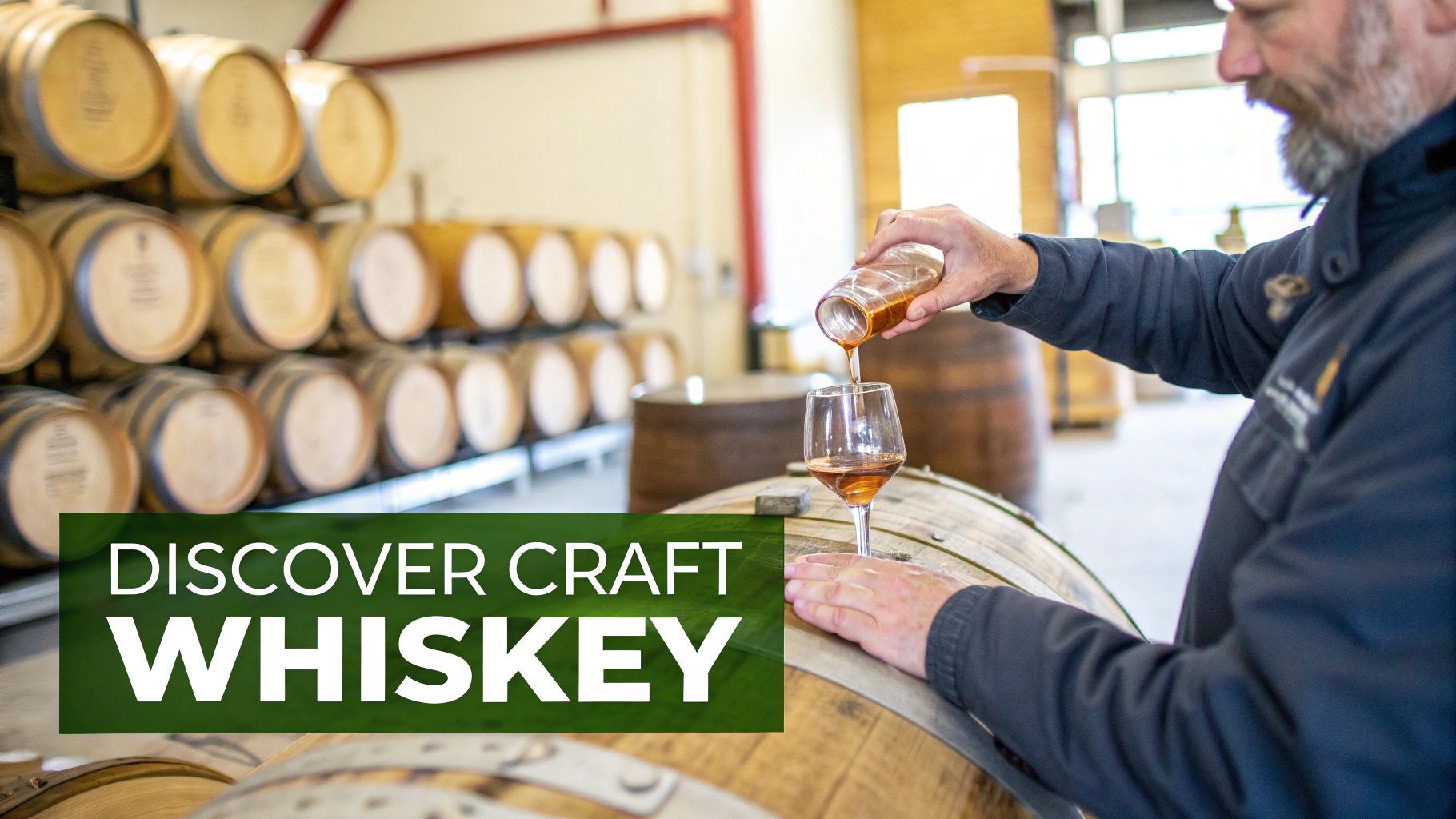
The incredible growth of the Kentucky Bourbon Trail Craft Tour tells the whole story. While the main trail's giants hosted nearly 1.4 million visitors in 2022, the Craft Tour brought in another 738,287 visits on its own. It’s a clear sign of the massive boom happening in the small-distillery scene and shows a real hunger for unique, hands-on experiences that go way beyond a standard tour.
Must-Visit Craft Distilleries
To get a real taste of this movement, you've got to add a few standout producers to your itinerary. Each one offers something special, from intimate tours with the distillers themselves to bold, experimental whiskeys you just won't find anywhere else.
- Whiskey Thief Distilling Co. Sitting just outside Bardstown, this place offers one of the coolest experiences on the trail—thieving whiskey straight from the barrel. It’s incredibly interactive and a perfect stop for both newcomers and seasoned whiskey fans.
- Willett Distillery: Willett has a massive cult following and a long history, but it still operates with that craft-focused, family-owned spirit. Their tour is a masterclass in tradition, and the tasting room often features some seriously rare and exceptional pours.
- Limestone Branch Distillery: Tucked away in Lebanon, this is the home of Yellowstone Bourbon and Minor Case Rye, run by descendants of the legendary Beam family. Their "Behind the Scenes" tour is fantastic, giving you an in-depth look at their entire grain-to-glass process.
Tip for New Drinkers: At a craft distillery, don't be shy! The tour groups are smaller, and the distillers are often right there. This is your chance to ask why they chose a certain mash bill or what flavors their yeast strain brings out. It’s the best opportunity you'll get to learn directly from the source.
These smaller stops offer a fantastic contrast to the larger operations. Exploring these great American craft spirits is how you discover your next favorite bottle before it becomes a household name. And while Kentucky bourbon is the star here, broadening your horizons with other distillery tours and tastings can deepen your appreciation for all crafted spirits.
Ultimately, building a few of these craft distilleries into your map is the key to a truly well-rounded bourbon adventure.
Bringing The Bourbon Trail Experience Home
When your trip through bourbon country is over, your curiosity for great American whiskey doesn't have to be. That adventure of discovery—the feeling of stumbling upon a hidden gem distillery or a flavor you’ve never experienced—can continue long after you’ve put away your Kentucky Bourbon Trail map.
You can actually capture that spirit of exploration and bring it right into your living room.
Imagine recreating the excitement of the trail, but with one key difference: no brand bias or preconceived notions. This is the whole idea behind a blind whiskey tasting subscription. Instead of you traveling to the whiskey, the whiskey comes to you, curated from some of America's best craft distilleries. It's the perfect way to keep the journey going.
The Adventure of Blind Tasting
A well-designed tasting kit is all about the thrill of discovery. You receive numbered, unlabeled samples of top-shelf craft whiskeys, which forces you to focus purely on what’s in the glass. This approach completely removes the influence of a fancy label or a well-known name. Your palate is the only judge.
It turns tasting from a passive activity into an engaging game. Guided by a tasting mat, you can pinpoint aromas, flavors, and finishes, jotting down notes just like you would on a distillery tour.
This method is perfect for both seasoned enthusiasts and newcomers. It helps experienced drinkers challenge their palates and allows new whiskey fans to learn what they genuinely enjoy without being swayed by marketing.
You can even take a shot at guessing the whiskey's proof, age, and type before the big reveal. It’s an educational process that sharpens your senses and deepens your appreciation for the distiller's craft, turning a simple drink into a full sensory experience.
Continuing Your Craft Whiskey Education
The best part about this at-home adventure is how it mirrors the best parts of the Craft Tour—that intense focus on small, innovative producers who are pushing the boundaries of American whiskey. You get to sample unique expressions from distilleries you might not have had the chance to visit, expanding your whiskey worldview one glass at a time.
It’s a fantastic way to prepare for your next trip or just keep your palate sharp between visits.
For those looking to dive deeper, you can explore our guide on creating a memorable whiskey tasting at home for more tips and ideas. Bringing the trail experience home is all about celebrating the spirit of craft and continuing your personal journey of discovery, one exceptional pour at a time.
Common Questions About The Kentucky Bourbon Trail
Even with the perfect Kentucky Bourbon Trail map laid out on your kitchen table, some questions always seem to surface. It's one thing to see the route, and another thing to actually plan the logistics. Let's walk through some of the most common queries that pop up, so you can make your trip as smooth as the bourbon you’re about to taste.
First things first: when should you go? While the distilleries are open year-round, the absolute sweet spots for a trip are spring (April-June) and fall (September-October). The weather is perfect for walking around distillery grounds, the Kentucky bluegrass scenery is stunning, and you get to dodge the sweltering summer humidity and unpredictable winter ice.
Is The Bourbon Trail Passport Worth It?
This is a classic question. The official Bourbon Trail Passport is a fun, inexpensive souvenir that lots of people really enjoy. For just $14.00, you get a booklet to collect stamps at each distillery you visit. It’s not required by any means, but it adds a satisfying, almost game-like element to your adventure and makes for a fantastic memento.
That said, the real value of your trip comes from the experiences, not just the stamps. If your plan is to do deep-dive, immersive tours at just a few specific distilleries, you might not feel the need for it. But if you’re a completionist trying to hit as many spots as possible, it's a great way to track your bourbon journey.
What’s The Best Way To Get Around?
Figuring out transportation is a massive piece of the puzzle, and there’s no one-size-fits-all answer. Your best bet really depends on your group size and how much you want to spend.
- Self-Driving: This gives you the ultimate freedom and flexibility. The non-negotiable rule here? You need a 100% sober designated driver. Kentucky’s DUI laws are no joke, and safety has to be the top priority.
- Ride-Sharing: In the bigger hubs like Louisville and Lexington, grabbing an Uber or Lyft is pretty easy. The catch is that they become much harder to find—and more expensive—once you get out into the rural stretches between distilleries.
- Hired Drivers & Tour Companies: For groups, this is the gold standard. Handing the keys over to a pro from a company like BourbonTown Tours means everyone gets to relax and enjoy the tastings without a single worry about logistics.
Pro Tip for New Drinkers: Even if you're the designated driver, don't overdo it. Navigating winding country roads between three or four distilleries in a single day can be surprisingly draining. Use your map to plan for no more than three stops a day to keep things fun, not frantic.
What Are The Typical Costs?
Knowing what to budget is key to a stress-free trip. While everyone’s spending will look a little different, here’s a ballpark idea of what you can expect for the main attractions.
| Item | Average Cost Range | Notes |
|---|---|---|
| Standard Tour & Tasting | $20 - $40 per person | Prices vary by distillery. Premium or VIP experiences will cost more. |
| Craft Distillery Tour | $15 - $35 per person | Often more intimate and might include some unique, off-menu pours. |
| Passport & Field Guide | $14.00 | A one-time purchase if you decide to go for the official passport. |
Don't forget to factor in your budget for meals, a place to stay, and—of course—any bottles you want to bring home. Many American craft whiskey brands offer special distillery-only releases that are almost impossible to leave behind. A little financial planning ahead of time means you can enjoy every last drop of your bourbon country adventure without a worry.
Can't make it to Kentucky? Let the trail come to you. Blind Barrels delivers the thrill of discovering America's best craft whiskeys right to your door with our quarterly blind tasting kits. Explore, learn, and find your next favorite pour without brand bias.