

Bourbon and lemonade are the most approachable starting point, especially at a 2:1 lemonade-to-bourbon ratio. For a classic shandy or radler, the established pattern is roughly 50% beer and 50% lemonade, but whiskey opens a more layered path through citrus, oak, spice, herbs, and sweetness.
Which spirit makes lemonade more refreshing without burying its character? The answer depends on the lemonade in your glass, the whiskey's proof, and the flavor experience you want. Fresh, tart lemonade can support a bold bourbon, while sweeter commercial lemonade may need a drier, spicier pour. Carbonation adds lift, honey rounds edges, and a carefully chosen garnish can change the aroma before you take a sip.
This guide moves from approachable American craft bourbon and wheated whiskey to rye spice, Tennessee character, whiskey liqueur, high-proof intensity, and botanical combinations. New whiskey drinkers should taste the spirit neat first, then add the mixer and notice what changes in the aroma, palate, and finish. That simple habit turns a casual drink into a useful tasting exercise.
The best lemonade pairing isn't the strongest spirit. It's the one that creates the flavor experience you actually want.
If you enjoy the broader idea behind when life gives you lemons, start with the list and choose the level of intensity that suits your palate. A blind tasting subscription such as Blind Barrels can also help you explore small American craft distilleries without letting brand recognition or price shape your first impression.
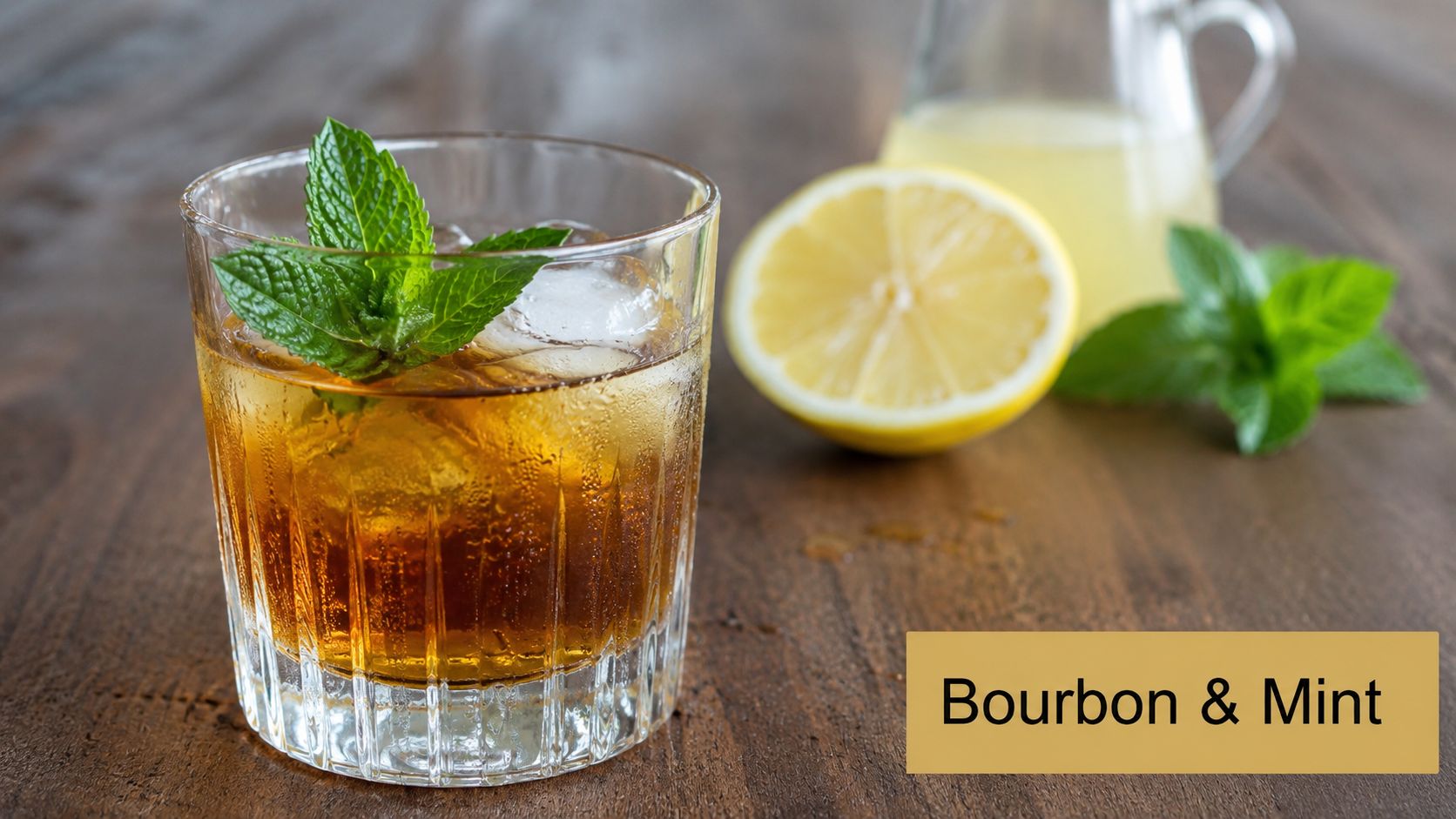
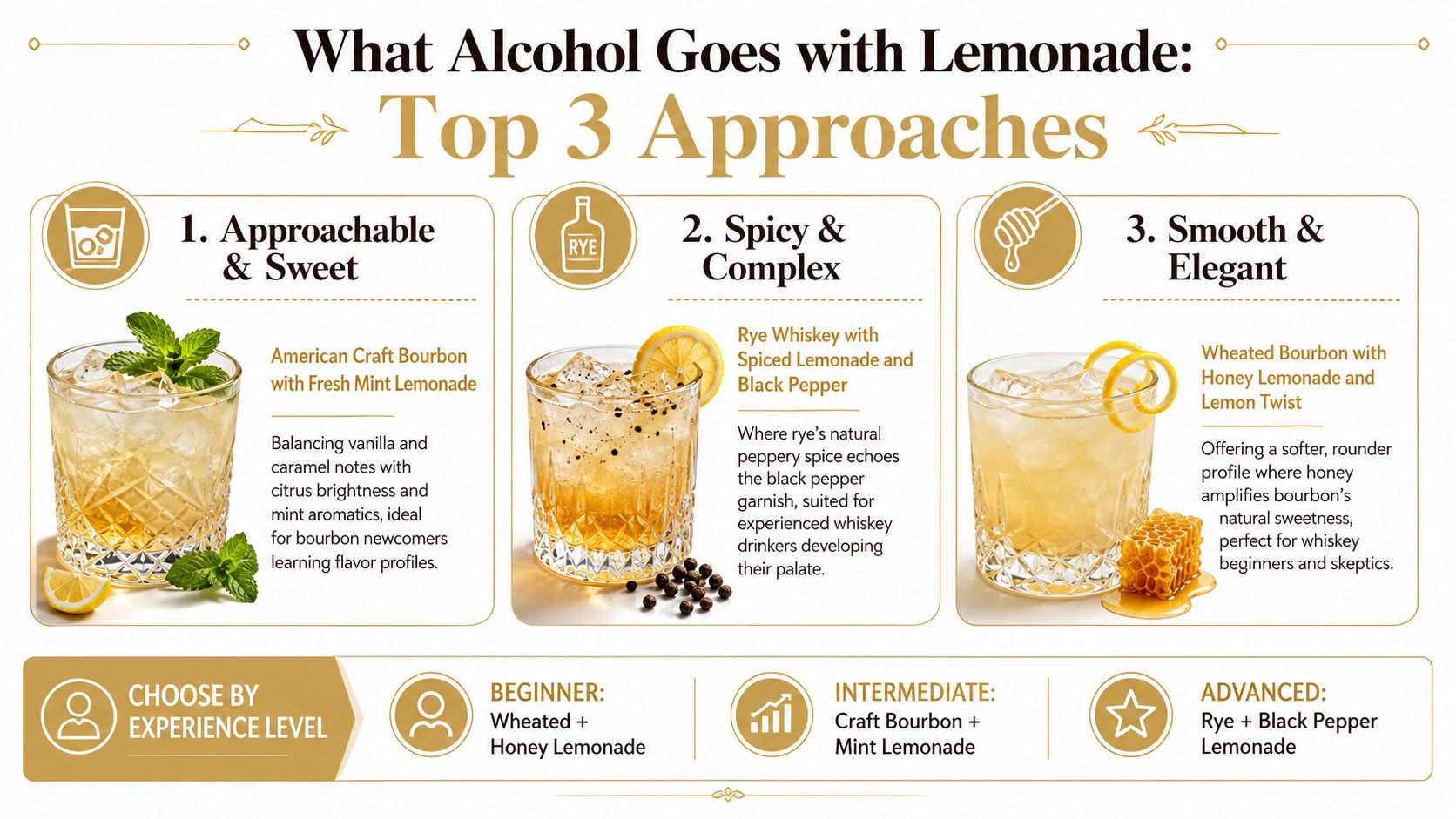
1. American Craft Bourbon with Fresh Mint Lemonade
Bourbon and fresh lemonade work because their strongest traits complement each other. Bourbon brings vanilla, caramel, toasted oak, and gentle warmth. Lemonade supplies acidity and sweetness, while mint cools the finish and keeps the drink from feeling heavy.
Use 2 parts fresh lemonade to 1 part bourbon for an accessible starting point. This ratio gives a new whiskey drinker enough citrus to soften the alcohol while leaving room for the bourbon's grain and barrel character. Frey Ranch bourbon is a natural example for this preparation, particularly if you're exploring the kind of American craft whiskey often poured at distillery tasting rooms and whiskey bars.
Taste the bourbon neat before mixing. Look for vanilla on the nose, sweetness across the tongue, and a lingering oak note. After adding lemonade, ask whether the citrus makes the bourbon seem sweeter, brighter, or less oaky.
Preparation and palate practice
Gently muddle fresh mint rather than crushing it aggressively. Too much pressure can draw out bitterness and turn a clean herbal note into something medicinal. Add plenty of ice, pour the bourbon and lemonade over it, and finish with a mint sprig and lemon wheel.
- For beginners: Start with the suggested 2:1 lemonade-to-bourbon balance and add more lemonade if the finish feels hot.
- For tasting practice: Compare the neat bourbon with the mixed drink, then ask a friend to serve the glasses without revealing which is which.
- For the garnish: Clap the mint sprig between your hands before placing it in the glass to release aroma without bruising the leaves.
This is an ideal first pairing for a casual blind tasting with friends. A fresh indoor herb garden starter kit can keep mint available for repeat experiments.
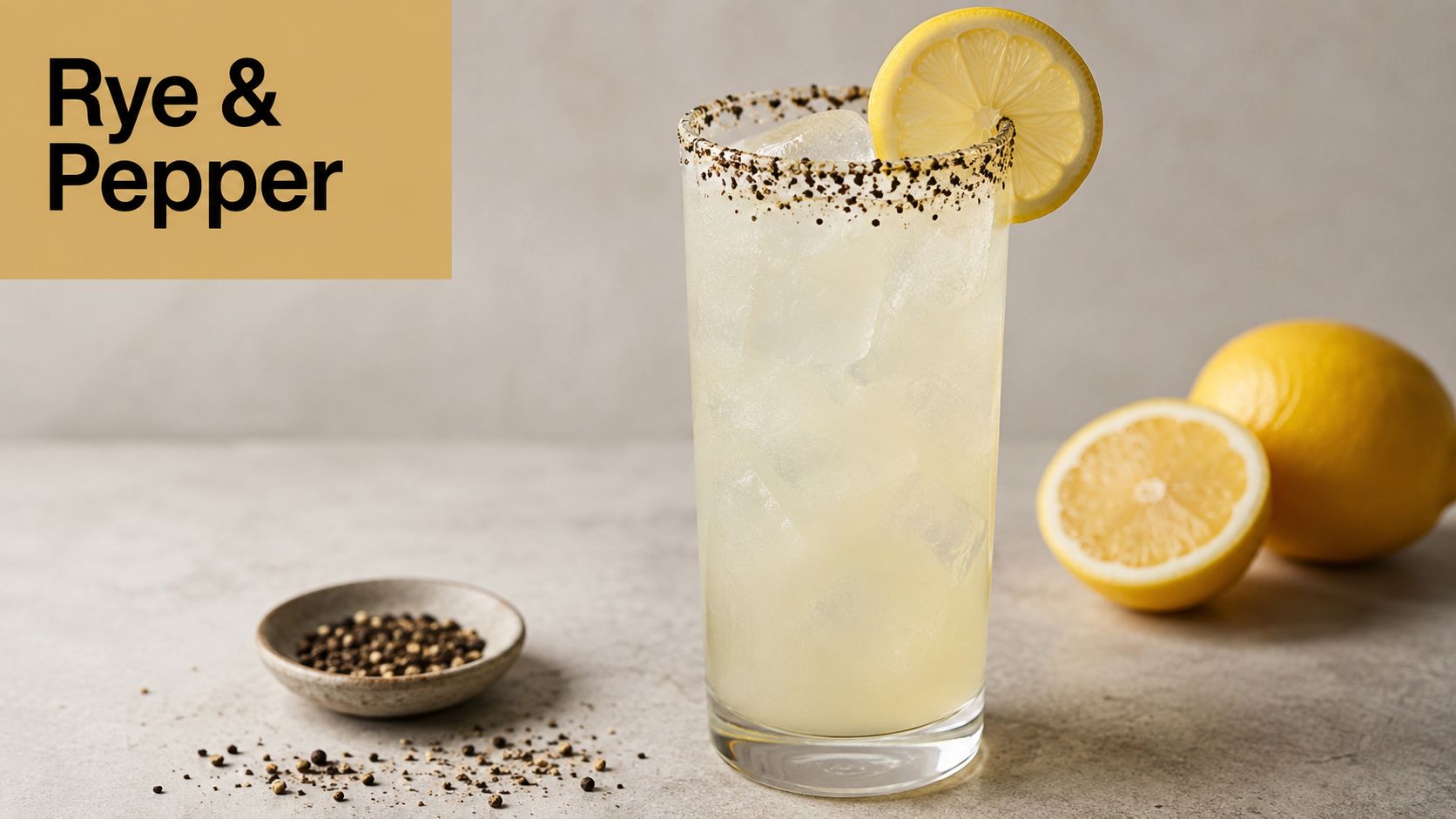
2. Rye Whiskey with Spiced Lemonade and Black Pepper
Rye takes lemonade in a sharper direction. Its grain-led profile often brings pepper, baking spice, dry herbs, and a brisk finish, so it suits drinkers who find bourbon too soft or sweet. A black pepper rim reinforces that character without requiring a complicated cocktail technique.
Southern Star's craft rye expressions are worth considering alongside rye from American producers such as New Riff and Bardstown Bourbon Company. The point isn't to hide the whiskey beneath lemonade. It's to use citrus as a bright counterpoint to spice.
Prepare the lemonade with a modest amount of honey if the drink tastes too angular. Honey rounds the edges without adding the heavy sweetness that can make a whiskey cocktail seem flat. For the rim, moisten only part of the glass and apply fresh-cracked black pepper lightly. A partial rim lets you choose how much spice reaches each sip.
Train the palate by comparison
Pour a rye lemonade beside a bourbon lemonade and taste them alternately. Rye should usually feel more pointed and peppery, while bourbon tends to read as rounder, sweeter, and more strongly associated with vanilla and caramel. This side-by-side approach makes grain differences easier to recognize than tasting either style in isolation.
A light pepper rim is an invitation to explore rye, not a test of how much heat you can tolerate.
Beginner adjustments matter. Use less pepper, add a little more lemonade, and select a softer rye before moving toward a bold, barrel-forward expression. The guide to what rye whiskey tastes like can help you identify the spice and grain notes you're encountering.
3. Wheated Bourbon with Honey Lemonade and Lemon Twist
Wheated bourbon replaces rye's sharper secondary-grain character with wheat, often producing a softer and rounder impression. That makes it especially comfortable with honey lemonade, where the sweetener amplifies the whiskey's natural richness instead of competing with it.
Maker's Mark is a widely available example, while emerging American craft distilleries offer their own wheated expressions. Serve this drink when you want lemonade to feel polished rather than punchy. It fits a relaxed brunch, a resort-style afternoon, or a low-pressure introduction for someone who enjoys cocktails but hasn't developed a taste for straight whiskey.
Dissolve raw honey in warm lemonade before chilling the mixture. Honey integrates more smoothly when it isn't added cold and lumpy. Keep the lemon component fresh and bright, then express a lemon twist over the surface of the drink. The oils released from the peel add aroma without delivering the aggressive sourness of extra juice.
Make the first sip educational
New drinkers should taste the wheated bourbon neat before mixing. Focus on texture first. Does it feel creamy, rounded, sweet, or dry? After adding the honey lemonade, notice whether those qualities become more obvious or whether the citrus redirects your attention toward fruit and aroma.
- Use the twist well: Hold the peel skin-side down over the drink and squeeze gently to release its oils.
- Keep sweetness controlled: Add honey gradually because lemonade already contributes sugar.
- Compare styles: Taste this beside a rye-based lemonade to make the contrast between softness and spice easier to identify.
For couples, this is a useful shared starting point because one person can enjoy the cocktail while the other examines the whiskey underneath it. The whiskey and honey pairing guide offers another route into the relationship between whiskey sweetness and honey.
4. High-Proof Craft Bourbon with Tart Lemonade and Thyme
A high-proof bourbon doesn't need to disappear behind lemonade. It needs a mixer that controls intensity while preserving structure. Choose tart, less-sweet lemonade and pair it with a bold craft bourbon at 110 proof or higher, such as Wild Turkey Rare Breed, a New Riff Single Barrel expression, or a small-distillery cask-strength release.
Use a 1:1 ratio of bourbon to lemonade when you want the spirit to remain central. This isn't the best first pour for someone entirely new to whiskey. Lower-proof bourbon gives beginners a more forgiving introduction, while high-proof whiskey can feel hot until the palate adjusts.
Let the bourbon rest in the glass for 2 to 3 minutes before tasting, as recommended in the preparation plan for this pairing. This brief pause allows some alcohol vapors to dissipate and makes the aroma easier to read. Taste it neat, add the lemonade, and then check whether the tartness brings out fruit, oak, or spice.
Use thyme as a bridge
Fresh thyme adds a dry herbal note that can connect tart lemon to oak and wood-forward bourbon. Use a sprig rather than dried thyme, which can scatter through the drink and create a dusty texture. Lightly tap the sprig before adding it so the aroma rises without turning the garnish into a dominant flavor.
This pairing works well for advanced blind tasting games. Ask tasters to identify whether the lemonade has softened the proof, highlighted the oak, or made the finish seem longer. If the drink feels too intense, increase the lemonade rather than pouring in more whiskey.
5. Craft Bourbon Whiskey Liqueur with Fresh Lemonade
Whiskey liqueur offers a gentler route into bourbon flavor. It can bring whiskey's barrel notes together with honey, fruit, spice, or cream, creating a drink that feels more like a flavored cocktail than a pour of straight spirit. Fresh lemonade supplies acidity, which keeps the result from becoming syrupy.
Use 1.5 ounces of liqueur with 4 ounces of fresh lemonade for a balanced starting point. This style works well for couples exploring whiskey together, particularly when one person enjoys whiskey and the other feels uncertain about drinking it neat. Buffalo Trace bourbon cream products provide a recognizable example, while small producers make honey-infused, fruit-infused, and barrel-finished bourbon liqueurs.
Treat it as a bridge, not a finish line
Taste the liqueur by itself before adding lemonade. Look for the dominant flavor first. Is it honey, vanilla, fruit, cream, spice, or oak? Then mix the drink and decide whether the lemon sharpens that flavor or pulls it into the background.
- Choose the lemonade carefully: Fresh, tart lemonade works better with sweet liqueurs than an intensely sugary commercial style.
- Serve it socially: This is a low-pressure drink for a shared tasting rather than a formal whiskey flight.
- Progress slowly: After enjoying the liqueur, revisit the same producer's bourbon neat or with a small splash of water.
Researching small-distillery liqueurs can also help you keep the experience aligned with a craft-focused tasting subscription. The drink's value lies in accessibility, but its educational value comes from showing how added sweetness and flavoring change whiskey's identity.
6. Tennessee Whiskey with Buttermilk Lemonade and Vanilla Extract
Tennessee whiskey brings regional character to the lemonade question. Jack Daniel's Old No. 7 is the familiar reference point, while high-rye Tennessee expressions from emerging craft distilleries can offer a drier, spicier variation. Pairing the whiskey with buttermilk lemonade and a small amount of vanilla creates a Southern-inspired drink with a creamy, dessert-like profile.
Use fresh buttermilk rather than powder, and add vanilla extract sparingly, 1/4 teaspoon per drink. The buttermilk should contribute body and tang, not dominate the whiskey. Strain the lemonade before serving to remove any curdled particles and create a smoother texture.
Taste the Tennessee whiskey neat first. Look for the traits that make it feel different from bourbon, including its charcoal-filtered character and regional identity. Once the lemonade is added, the vanilla may emphasize sweetness while the buttermilk softens the edges without erasing the whiskey's underlying grain and oak.
Keep the texture refined
This drink benefits from careful preparation. Stir the buttermilk lemonade thoroughly, chill it before combining, and strain it into a clean glass over fresh ice. A lemon peel or small vanilla garnish is enough. Avoid adding multiple herbs or spices because the creamy citrus base already has a strong sensory identity.
Start with the whiskey alone, then add one ingredient at a time. You'll learn more from controlled changes than from a glass crowded with flavors.
The pairing suits a regional whiskey lesson or a dessert-style after-dinner serve. Beginners who find straight Tennessee whiskey too assertive may appreciate the creamy texture, while experienced drinkers can focus on whether the vanilla makes the spirit seem sweeter or merely more aromatic.
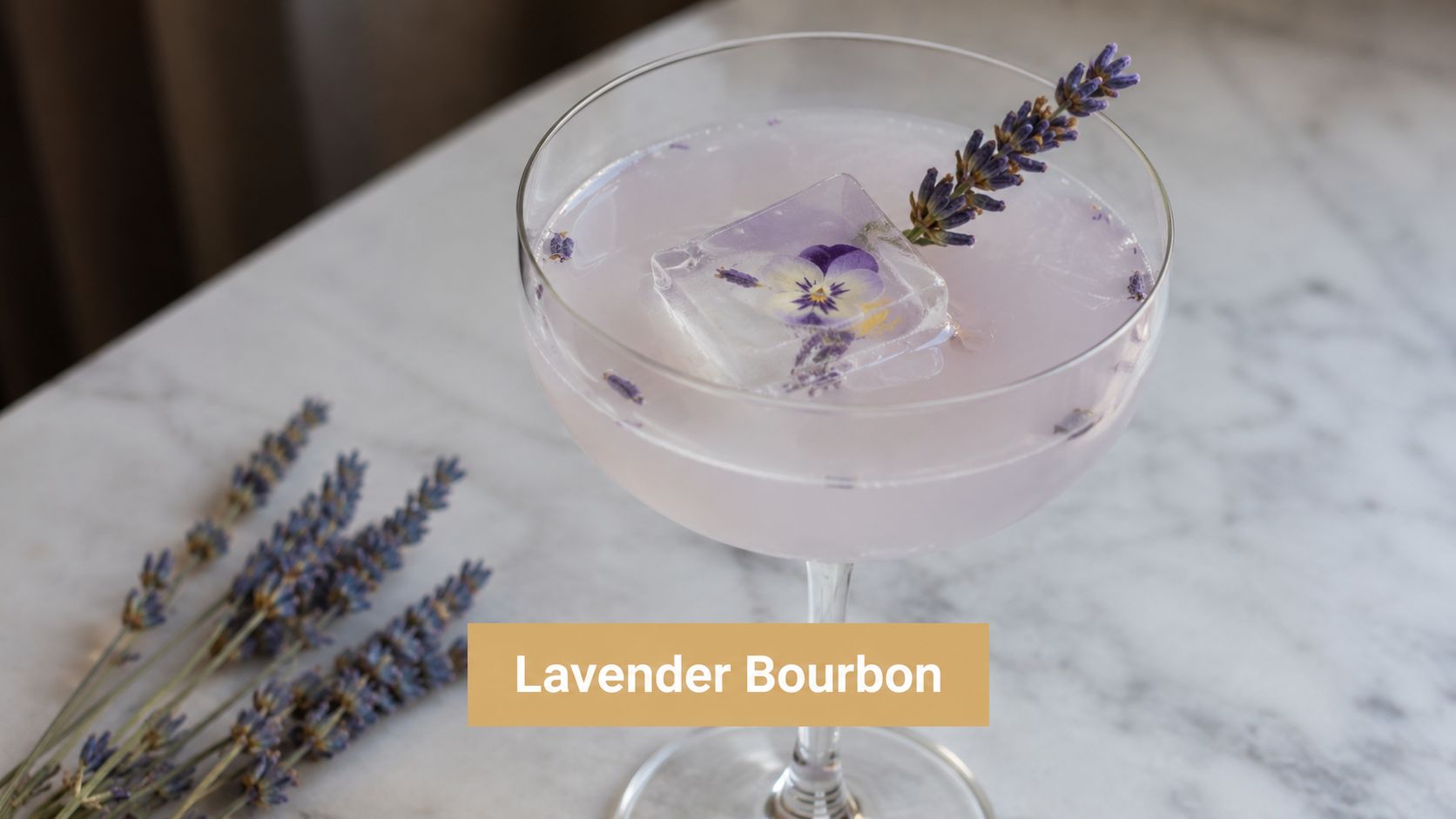
7. Craft Bourbon with Lavender Lemonade and Floral Ice Cube
Lavender lemonade pushes bourbon into botanical territory. The combination can be elegant, but lavender becomes medicinal when overused, so restraint matters more than novelty. Use culinary-grade lavender only, and infuse it into the lemonade for 2 to 4 hours before serving. Taste during the infusion and stop when the floral aroma is noticeable but not overpowering.
A craft bourbon with clear vanilla, caramel, and soft fruit notes makes a strong partner. The bourbon should remain recognizable beneath the flowers. This is a special-occasion serve for drinkers who already understand what they like in whiskey and want to test how botanical ingredients alter perception.
Build the garnish ahead
Freeze edible flowers into ice cubes 24 hours ahead so the cubes have time to set completely. Use flowers approved for culinary use, not decorative varieties treated for display. Add one floral cube to the glass, pour in the lavender lemonade and bourbon, and keep the rest of the presentation simple.
New whiskey drinkers should taste the bourbon separately before encountering the floral note. Ask them to identify the whiskey's aroma, then smell the finished drink again. Lavender can make the bourbon seem lighter, sweeter, or more perfumed even when the liquid underneath hasn't changed.
This pairing fits a progressive cocktail setting, a seasonal gathering, or a final round in a blind tasting game. It's memorable because the floral aroma challenges tasters to separate what comes from the bourbon from what comes from the garnish and lemonade.
8. Small-Batch Craft Bourbon with Pink Peppercorn Lemonade and Pink Peppercorn Rim
Pink peppercorn lemonade offers a more fruit-forward alternative to black pepper. Pink peppercorns are technically berries, and they bring a lightly sweet, fruity character with gentle heat. That combination suits a small-batch craft bourbon with strong vanilla and caramel notes because the fruitiness echoes the barrel profile while the pepper adds contrast.
Crush the pink peppercorns immediately before preparing the rim. Add some to the lemonade and let them infuse for 30 to 45 minutes before serving. This creates a subtle pepper aroma rather than an aggressive spicy drink. Use a small-batch bourbon with a distinctive profile so the preparation reveals how the spirit interacts with the ingredient.
Taste the change in stages
Pour the bourbon neat first. Then smell the infused lemonade before combining it with the whiskey. Finally, taste the cocktail with and without the rim. The sequence shows how aroma, liquid flavor, and texture work together.
- For beginners: Use a partial rim and a light infusion.
- For spice seekers: Crush the berries more finely to release additional aroma.
- For group tastings: Serve the bourbon plain, then repeat it with the lemonade so tasters can describe the change in perception.
This is an excellent final-round pairing for a blind tasting because it rewards attention to nuance rather than tolerance for high proof. The fruity pepper note can make bourbon seem more expressive without forcing the drink into an unfamiliar flavor category. It also gives new whiskey drinkers a controlled step beyond mint, honey, and standard citrus.
8 Bourbon & Whiskey Pairings with Lemonade
| Pairing | Implementation complexity | Resource requirements | Expected outcomes | Ideal use cases | Key advantages |
|---|---|---|---|---|---|
| American Craft Bourbon with Fresh Mint Lemonade | Low, simple mixing and gentle muddling | Common bourbon (80–120 proof), fresh lemons, fresh mint | Refreshing, balanced; bourbon vanilla/caramel remain identifiable | Bourbon newcomers; seasonal cocktails; blind-tasting introductions | Approachable; mint adds aromatics while preserving spirit character |
| Rye Whiskey with Spiced Lemonade and Black Pepper | Moderate, rim prep and spice control needed | Quality rye (90–120 proof), fresh-cracked black pepper, tart lemonade | Spicy, layered, higher complexity | Experienced tasters; palate-development sessions; bourbon vs rye comparisons | Reinforces rye's peppery character; cohesive spice profile |
| Wheated Bourbon with Honey Lemonade and Lemon Twist | Low, simple syrup or dissolved honey | Wheated bourbon (80–100 proof), honey, lemons | Smooth, sweet, elegant and easy to drink | Beginners, couples, approachable tastings | Soft, round profile; honey enhances vanilla/caramel notes |
| High-Proof Craft Bourbon with Tart Lemonade and Thyme | High, high-proof handling and precise ratios | Cask-strength bourbon (110+ proof), tart lemonade, fresh thyme | Intense, educational; concentrates oak and proof characteristics | Advanced tasters; high-proof tasting events; blind gamification | Develops palate tolerance; thyme adds savory complexity |
| Craft Bourbon Whiskey Liqueur with Fresh Lemonade | Low, straightforward mixing | Bourbon-based liqueur (60–90 proof), fresh lemonade | Very approachable, pre-balanced flavor | Gateway for newcomers; low-pressure couples' tastings | Low intimidation; complex flavors without advanced prep |
| Tennessee Whiskey with Buttermilk Lemonade and Vanilla Extract | Moderate, dairy handling and careful mixing | Tennessee whiskey, fresh buttermilk, vanilla extract | Creamy, dessert-like, regionally illustrative | Regional whiskey education; hospitality programs; novelty tastings | Unique mouthfeel; highlights charcoal-filtered/vanilla notes |
| Craft Bourbon with Lavender Lemonade and Floral Ice Cube | High, infusions and specialty ice prep | Culinary lavender, edible flowers, craft bourbon | Floral, visually striking, potentially overpowering if misused | Special occasions; experiential tastings; blind final rounds | Memorable presentation; trains detection of subtle botanicals |
| Small-Batch Craft Bourbon with Pink Peppercorn Lemonade and Pink Peppercorn Rim | Moderate, fresh crushing and timed infusion | Pink peppercorns (specialty), small-batch bourbon, lemonade | Fruity spice, subtle heat, nuanced flavor progression | Curious beginners ready to explore; small-batch education | Approachable alternative to black pepper; highlights nuanced sweetness |
Build Your Lemonade Tasting Flight
The best answer to what alcohol goes with lemonade depends on where you are in your tasting journey. Beginners should start with fresh mint bourbon or wheated bourbon with honey. Both combinations soften whiskey's edges while keeping enough spirit character to teach you something. Mint makes bourbon feel brighter and more refreshing, while wheat and honey create a rounder, sweeter profile.
Choose rye when spice is the main attraction. A rye lemonade with a restrained black pepper rim shows how grain character changes the drink. If straight whiskey feels intimidating, bourbon whiskey liqueur offers a softer bridge. It introduces barrel, honey, fruit, or cream notes in a format that feels familiar and easy to share.
Tennessee whiskey suits drinkers who want regional character. Its charcoal-filtered identity remains visible beneath a carefully prepared buttermilk lemonade, while vanilla changes the drink toward dessert without making the whiskey irrelevant. High-proof bourbon with tart lemonade and thyme belongs later in the progression. The bold spirit needs a controlled ratio and a patient tasting approach.
Botanical pairings are for experienced tasters or adventurous beginners who enjoy unusual cocktails. Lavender and edible flowers create a fragrant, delicate serve, while pink peppercorns offer fruit, aroma, and gentle heat. In both cases, taste the bourbon before adding the garnish so you can separate the whiskey's own qualities from the ingredients around it.
A practical tasting setup
Build a small flight with several whiskey samples and one consistent lemonade recipe. Measure every pour the same way, keep the ice consistent, and adjust sweetness gradually rather than changing several ingredients at once. Taste each whiskey neat first, then mixed, and record what happens to the aroma, palate, and finish.
A Blind Barrels kit can support this format. Each quarterly kit includes 4 blind samples from small American craft distilleries, along with a tasting table for aroma, tasting, and finish notes. The table includes a QR code that reveals the samples and provides access to full bottles at a discounted price. The attached game lets participants guess the whiskey's age, proof, and type, then receive a score showing how accurately they identified the samples.
Use the tasting table to compare the same lemonade against different whiskey styles. Keep an alcohol-free lemonade available for anyone who wants to participate without drinking, and arrange a designated driver whenever the group is tasting alcohol. The point isn't to prove that one whiskey wins. It's to discover how citrus, sweetness, proof, texture, and garnish reshape what's in the glass.
Blind Barrels offers quarterly blind whiskey tasting kits with 4 samples from small American craft distilleries, a guided tasting table, bottle access, and a palate-scoring game. Visit Blind Barrels to explore a structured way to compare whiskey neat and with lemonade.