
The first time I poured honey whiskey for a friend who said, “I don’t like whiskey,” she took a sip, paused, and asked for the bottle. Not because it tasted sugary, but because it finally made whiskey feel welcoming instead of harsh.
The Sweet Revolution of American Whiskey
A decade ago, ordering honey whiskey at a bar could feel like asking for training wheels. People who loved neat rye or cask-strength bourbon often treated it as a beginner’s pour.
American drinkers changed that story.
When Jack Daniel's Tennessee Honey and Wild Turkey American Honey hit a national audience in 2011, honey whiskey stopped feeling like a niche bottle and started feeling like an open invitation. The National Honey Board’s overview of top honey whiskeys and bourbons in North America captures how visible these bottles became. For new drinkers, that visibility mattered because it made whiskey seem less intimidating and more welcoming.
Why honey connected so quickly
Honey works like a translator between a spirit and a new palate.
Straight whiskey can hit a beginner all at once. Oak, alcohol, spice, and smoke arrive in a rush. Honey slows that experience down. It does not hide whiskey at its best. It helps a drinker notice what is already there, such as vanilla, caramel, baking spice, or toasted wood, without feeling overwhelmed by the alcohol first.
That is a big difference.
A well-made honey whiskey can be the first bottle that teaches someone how to taste whiskey instead of reacting to it. If you want more context on why flavored whiskey sparks such strong opinions, this guide to flavored whiskey’s controversial place in the whiskey world lays out the debate clearly.
More than sweetness
The category grew because drinkers found variety inside it.
One bottle may feel plush and dessert-like. Another may keep a dry, spicy core and use honey the way a cook uses salt, not to dominate the dish, but to bring the base flavors into focus. That difference becomes even more interesting once you consider the honey itself.
Honey has origin, just like grapes for wine or coffee beans from different farms. Orange blossom honey can suggest bright floral citrus notes. Clover honey often reads softer and gentler. Wildflower honey can taste broader and less predictable, depending on where the bees foraged. Many drinkers never hear this part of the story, yet it helps explain why two whiskey with honey brands can land in completely different places even when both seem “sweet” on paper.
This popularity gives new drinkers more options.
Instead of grabbing the one familiar label on the shelf, they can compare:
- Established brands with polished, repeatable flavor
- Craft producers that show more house character
- Bourbon-based bottles with richer caramel and vanilla notes
- Spicier whiskey bases that keep the sweetness tighter
- Honey styles that taste floral, herbal, or warmly round depending on origin
Tip: Starting with honey whiskey is not cheating. It is a practical way to train your palate.
What changed
The biggest change happened in how people talked about whiskey.
Honey whiskey gave casual drinkers, cocktail fans, and curious newcomers permission to enjoy whiskey without pretending they had to start with the harshest pour on the back bar. It also raised better questions. Asking these questions is the first step from being a beginner to becoming an enthusiast.
Questions like:
- What base whiskey is underneath the honey?
- Does the sweetness feel natural, floral, and textured, or flat and candy-like?
- Is the bottle balanced enough to still taste like whiskey?
- Does the honey seem generic, or does it suggest a specific origin and character?
Those questions turn tasting into discovery. And the best way to answer them is not by reading labels first, but by tasting blind and letting your palate notice the differences for itself.
Understanding Honey Whiskey Production
Not every honey whiskey is made the same way. That is the first thing to know.
When people say “honey whiskey,” they often mean a whiskey-based spirit flavored or blended with honey. In some cases, the final bottle sits below standard whiskey proof and is better understood as a whiskey liqueur. That does not make it worse. It just helps explain why one bottle drinks like bourbon with a honey accent, while another drinks more like a smooth after-dinner pour.
Real infusion versus shortcut flavoring
The easiest way to understand production is to think about tea.
Real infusion is like steeping loose-leaf tea slowly. The flavors mingle over time, and the final cup tastes integrated.
Artificial flavoring is more like stirring a flavored syrup into hot water. You still get sweetness and a recognizable note, but the layers often feel less natural.
A strong example of real infusion comes from Jim Beam Honey Bourbon. The brand slowly integrates real honey with Kentucky Straight Bourbon over 24 to 48 hours at 25 to 35°C, a process that reduces perceived astringency by up to 30% in lab tests and creates a more mellow profile, according to this product detail on Jim Beam Honey Bourbon Whiskey.
That kind of process explains why some honey whiskeys taste rounded and cohesive rather than sticky or separate.
If you want more context on why flavored whiskey creates such strong opinions, this piece on flavored whiskey and why it remains controversial gives useful background.
What distillers are trying to achieve
When a distiller uses real honey carefully, the goal is usually balance.
They do not want the honey to sit on top like frosting. They want it to settle into the bourbon or whiskey so that oak, grain, vanilla, and spice still show through.
Here is what that often changes in the glass:
- Aroma: Real honey can smell floral, waxy, herbal, or warm, instead of sharply candy-like.
- Texture: The spirit may feel softer on the palate.
- Finish: A natural honey note often lingers in a gentler, less artificial way.
Honey infusion is not the same as honey barrel finishing
Many readers get mixed up at this point.
A honey-infused whiskey blends honey into the spirit itself. A honey-finished whiskey gets some of its flavor from time spent in a barrel influenced by honey.
Those methods can lead to very different results. Infusion usually gives a more direct honey note. Barrel finishing can feel subtler, with honey showing up more as an accent than a headline.
Key takeaway: If you love obvious honey character, look for bottles built through infusion. If you prefer a whiskey-first profile, honey finishing may be more your speed.
Why craft drinkers should care
Production tells you what kind of experience the bottle is aiming for.
A newcomer might only ask, “Is it sweet?” A more useful question is, “How did the distiller make it sweet, and what did they protect along the way?”
That is how you separate a bottle that feels thoughtful from one that feels flat.
How Base Whiskey Shapes the Honey Flavor
A good way to understand honey whiskey is to taste two glasses side by side. In one, the honey feels like it melts into caramel and vanilla. In the other, it lands first, then a peppery kick lifts it back off the tongue. Same broad idea. Very different experience.
The reason is the base whiskey.
Honey works like sauce in a well-cooked dish. It does not erase what is underneath. It pulls certain flavors forward and softens others. That matters even more once you remember that honey has its own place of origin. Orange blossom honey, wildflower honey, clover honey, and darker forest honeys do not all behave the same way. A floral honey on a soft bourbon can read silky and dessert-like. The same honey on a rye-driven base can turn bright, spicy, and a little more lifted.
Bourbon gives honey a rounder frame
Bourbon often makes honey feel settled and familiar because the whiskey already brings sweet-toned flavors to the table. Corn contributes body. Oak adds vanilla and caramel. Toasted barrel notes can suggest baked goods, brown sugar, or pecans.
Add honey to that mix and the edges often blur together in a pleasing way. New drinkers usually notice this style as smooth, rounded, and easy to read.
Still, not every bourbon-based honey whiskey tastes alike. A softer honey, such as clover, may tuck into those vanilla notes almost invisibly. A more floral or herbal honey can add a distinct accent, like switching the same tea from white sugar to orange blossom honey. The drink is still tea. The mood changes.
Rye creates contrast
Now shift to a base whiskey with more rye influence, and the conversation changes. Rye brings spice, dryness, and snap. That sharper structure can keep the honey from feeling heavy.
A rye-leaning base often makes the honey seem:
- brighter
- less syrupy
- more aromatic
- better suited to cocktails
That is why two bottles labeled "honey whiskey" can sit far apart in style. One feels like warm biscuits with honey. Another feels closer to hot honey brushed over roast meat, sweet at first, then savory and spicy around the edges.
If mash bills are new territory, this guide to the bourbon grain bill and how grains shape flavor gives helpful context.
Honey origin matters here too
This is the piece many buyers never hear about.
People talk about the base whiskey, but honey also carries terroir. Bees gather nectar from specific flowers in specific places, and those choices leave fingerprints in the jar. Wildflower honey can taste meadow-like and varied. Orange blossom honey can smell high-toned and citrusy. Darker honeys can bring earth, herbs, or a faint bitter edge.
Base whiskey decides how visible those fingerprints remain. Corn-forward bourbon can cushion delicate floral notes. Rye can sharpen them. Oak can either wrap the honey in warmth or compete with it, depending on how bold the barrel influence is.
So the question is not only, "Is this made with real honey?" A better question is, "What kind of honey is this, and what base whiskey is carrying it?"
A simple comparison table
| Base style | What honey tends to do | What you may notice |
|---|---|---|
| Corn-forward bourbon | Settles into the whiskey’s sweeter notes | Caramel, vanilla, toffee, soft oak |
| Higher-rye bourbon or rye-leaning base | Pushes against spice and dryness | Pepper, cinnamon, orange peel, livelier finish |
Neither style is better.
They answer different cravings.
How to tell which one you prefer
Labels and tasting notes can only take you so far. Your palate learns faster than your eyes. That is why blind tasting works so well here, especially if you compare two or three bottles built on different base whiskeys.
Pour them without looking at the labels. Smell first. Then ask simple questions.
- Does the honey feel blended in, or does it stand out clearly?
- Does the finish drift toward vanilla and caramel, or spice and citrus peel?
- Does the honey seem floral, herbal, or dark and earthy?
- Does the whiskey still speak, or does sweetness do all the talking?
New drinkers often say a bottle is "too sweet" when the underlying issue is structure. A whiskey with enough grain character, spice, or oak gives honey something to play against.
The best honey whiskeys let you taste a conversation between two ingredients. The base whiskey sets the tone. The honey, shaped by its own origin, decides what kind of accent you hear.
A Framework for Evaluating Honey Whiskey Brands
Shopping for whiskey with honey brands gets easier once you stop asking, “Which bottle is best?” and start asking, “What am I tasting?”
Use a simple framework. It keeps flashy labels and familiar names from doing all the thinking for you.

Start with aroma
Bring the glass to your nose before you sip.
Does it smell like honey from a jar, with floral or herbal detail? Or does it smell more like candy, syrup, or a flavored candle? That first impression tells you a lot.
A good aroma usually reveals two things at once:
- the honey character
- the base whiskey character
If you cannot smell the whiskey at all, the balance may be tilted too far toward sweetness.
Then judge sweetness, not just sugar
Many beginners treat sweetness like a yes-or-no question. It is more useful to ask how the sweetness behaves.
Does it arrive quickly and then settle down? Does it coat the tongue heavily? Does it leave room for oak, spice, grain, or warmth?
A balanced honey whiskey does not need to be dry. It just should not feel flat or sticky.
Proof and texture matter more than many expect
Some bottles feel light and easy. Others carry more weight and warmth.
That difference changes how honey shows up. In a softer bottle, the honey may seem creamy or silky. In a bolder one, it may come across as darker, richer, or more structured.
A quick personal note in your tasting journal helps:
- soft and round
- warm and spicy
- light and bright
- dense and dessert-like
Finish is where quality often shows itself
The finish answers a revealing question. What stays with you after the sweetness fades?
In stronger examples, you may still notice oak, pepper, vanilla, citrus, or floral honey notes. In weaker ones, the flavor disappears quickly or leaves a simple sugary aftertaste.
Do not ignore honey terroir
This is the most overlooked part of the category.
There is a storytelling gap around honey origin in whiskey. Some brands hint at it, such as MurLarkey using honey from the owner’s hives or Dewar’s using selected Scottish honey, but there is little systematic education around how a honey’s botanical source and region shape flavor, as discussed in this article on Dewar’s Highlander Honey and the broader terroir gap.
That matters because honey is not one flavor.
Clover honey, wildflower honey, orange blossom honey, and darker regional honeys can suggest different aromas and textures. Even when labels do not explain much, you can still train your palate to look for differences in:
- floral lift
- citrus brightness
- earthy depth
- herbal edges
- lingering waxy richness
Key takeaway: Evaluate honey whiskey the way you would evaluate coffee or wine. Origin, balance, texture, and finish all matter.
Once you start tasting with that lens, brands become easier to understand. Your own preferences become easier to name.
Tasting Tips and Perfect Pairings
A bottle can be well made and still taste wrong if you serve it the wrong way for your palate.
Honey whiskey rewards small adjustments. A little temperature change or dilution can bring out spice, tame sweetness, or reveal more of the base whiskey.
Three easy ways to drink it
Neat works best when you want to understand the bottle. You notice the full aroma and texture, especially the way honey and whiskey meet on the finish.
On a large rock softens the edges gradually. As the ice melts, some bottles become less sweet and more expressive.
In a simple cocktail can be ideal if a neat pour feels a touch heavy. Honey whiskey often brings enough flavor that you do not need many ingredients.
Two easy cocktails for beginners
Honey Old Fashioned
This version works because the whiskey already brings a sweet note.
- 2 oz honey whiskey
- 2 to 3 dashes aromatic bitters
- Orange peel
Stir the whiskey and bitters with ice. Strain over a large cube. Express the orange peel over the glass and drop it in.
What to notice: orange oils often sharpen the drink and keep it from feeling too rich.
Hot Toddy with honey whiskey
This is especially good when you want the aroma to do more work.
- 2 oz honey whiskey
- Hot water
- Lemon slice
- Optional cinnamon stick
Pour the whiskey into a mug, top with hot water to taste, and add lemon. Stir gently.
What to notice: warmth can pull floral and citrus notes forward, while the whiskey’s oak stays in the background.
Pairing food without overthinking it
The easiest rule is contrast.
Salty, savory, or spiced foods often make honey whiskey taste more complete. Sharp cheddar, prosciutto, roasted nuts, or a snack board with dried fruit all work well because they stop the pour from feeling one-dimensional.
If you want to lean into the sweeter side, serve small portions. Rich desserts can overwhelm the whiskey if everything on the table is soft and sugary. A better move is to choose sweets with texture or toasted notes. For inspiration, a quick look at honey-based desserts from IFM Gourmet Food Store can spark ideas for pairings built around crunch, caramelization, and honeyed depth.
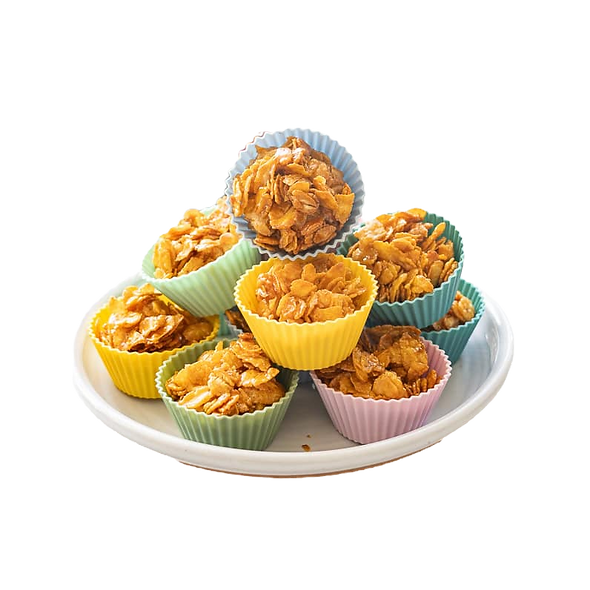
A quick pairing guide
| If your honey whiskey tastes like | Try pairing it with |
|---|---|
| Vanilla, caramel, soft honey | Aged cheddar or toasted pecans |
| Spice, pepper, orange peel | Prosciutto or spiced nuts |
| Floral, light, delicate honey | Mild cheese or simple butter cookies |
| Rich and dessert-like | Dark chocolate or crisp pastry |
Tip: For couples or friends tasting together, pour the same whiskey in two ways, neat and over ice, with one savory bite and one sweet bite. You will learn more from that than from reading a dozen bottle reviews.
Discover Your Ideal Honey Whiskey with Blind Tasting
A friend once brought three honey whiskeys to a small dinner and lined them up in unmarked glasses. Everyone had opinions before the first sip. One guest wanted the bottle from the famous distillery. Another was sure the craft option would taste more "real." Then we tasted blind, and the table got quiet fast.
The favorite pour turned out to be the one nobody had guessed.
That is why blind tasting works so well for honey whiskey. This category is easy to prejudge because the bottle often sells a mood before the liquid has a chance to speak. A bold label can suggest spice. A rustic design can suggest raw honey and small-batch care. Sometimes those cues match the glass. Sometimes they do not.
Why blind tasting helps more with honey whiskey than with many other styles
Honey adds another layer for your brain to sort out. Sweetness can read as smoothness, even when the finish is a little sharp. A familiar brand can make a whiskey seem more balanced before you have really paid attention. Blind tasting strips away those shortcuts and puts your senses back in charge.
Blind tasting's primary value is that it turns whiskey from a branded product into a sensory experience you can judge for yourself.
That matters even more once you notice that honey is not one single flavor. Clover honey, orange blossom honey, wildflower honey, and darker forest honeys can behave like different grape varieties in wine. One may feel bright and floral. Another can bring herbs, orange peel, or a deeper, almost toasted richness. Many drinkers talk about sweetness level first, but honey's origin often changes the whole personality of the pour.
What to notice when the label disappears
Without the bottle in front of you, your attention shifts to more useful questions:
- Does the honey come across as floral, herbal, citrusy, or dark and molasses-like?
- Does it taste integrated with the whiskey, or does it sit on top like a sweet coating?
- What is the base doing underneath. Vanilla and corn softness, rye spice, toasted oak, or heat?
- Does the finish stay clean, or does it turn syrupy or candy-like?
- Which pour makes you want another sip, not just the first sweet impression?
Those questions help beginners because they are concrete. They also help experienced drinkers avoid getting stuck on reputation.
Use honey terroir as your secret tasting lens
A useful way to approach honey whiskey is to treat the honey like a seasoning with a hometown. The flowers bees visited shape the aroma in the same way different woods shape smoke or different apple varieties shape cider. You may not always know the exact varietal used in the bottle, but your palate can still pick up the effect.
For example, one honey whiskey may remind you of chamomile, fresh hay, and light citrus. Another may suggest baked sugar, spice, and darker dried fruit. If both are equally sweet, the difference is not just sugar. It is character. Blind tasting makes that easier to catch because you are not being guided by marketing words like "smooth," "bold," or "premium."
A simple at-home setup
Keep it easy. Pour two to four honey whiskeys into small glasses, label them A, B, C, and taste from lightest aroma to richest. A friend can set this up for you, or you can use a blind whiskey tasting kit if you want the structure done for you.
Write a few quick notes under five headings:
- aroma
- honey character
- base whiskey character
- texture
- finish
Try to use plain language. "Orange blossom and pepper" is better than chasing the perfect whiskey term. "Tastes like honey candy" is useful too, because it tells you something real about how the sweetness lands.
What people usually discover
Beginners often learn that they do not like only the sweetest bottle. They may prefer one where the base whiskey still shows through, or one with a drier finish that keeps the honey from feeling heavy.
Experienced whiskey drinkers often find the opposite surprise. A bottle they dismissed as too sweet on paper can taste lively and layered when the label is hidden, especially if the honey brings a floral or herbal accent instead of blunt sugar.
The point is not to crown one universal winner.
The point is to find your winner. Maybe you enjoy honey whiskey that behaves like bourbon with a spoonful of wildflower honey added to the story. Maybe you like a spicier rye base paired with a lighter, citrus-toned honey profile. Once you start tasting this way, you stop shopping for branding cues and start recognizing the styles that fit your palate.